
The Batch GB.1 is a $999 Gravel Bike Built to Get You Riding
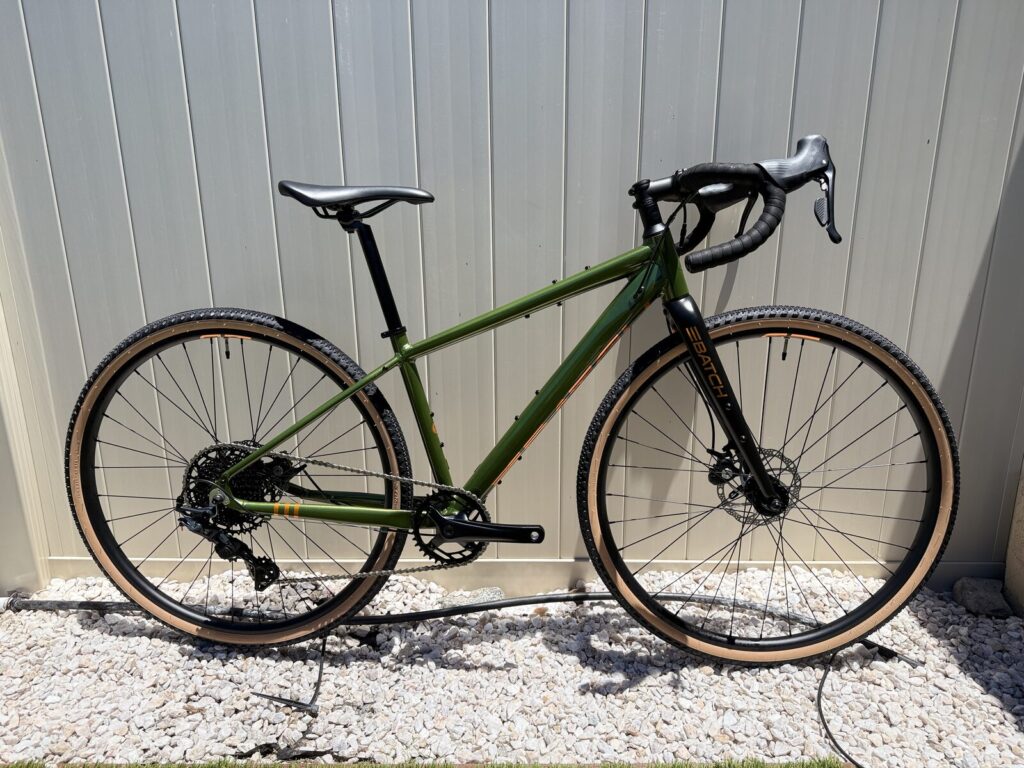
Every endurance sport keeps a gatekeeper at the door, and more often than not it isn’t fitness or talent – it’s the price tag. Triathletes know the feeling, and so does anyone chasing a first marathon. And in gravel, where it’s easy to convince yourself you need a five-figure carbon rig before you’ve turned a pedal off pavement, the barrier feels especially steep. That’s why the Batch GB.1 caught my attention. It’s a drop-bar gravel bike that sneaks in under a grand and still shows up with real, ride-worthy components.
It’s no secret that we spend a lot of time at Slowtwitch on the high-end machines, and for good reason. But there’s always room for the bike that answers a different question: what does it actually take to start, and still enjoy the ride, day in and day out? The Batch GB.1 is my attempt to answer that question.
Quick Summary
- A sub-$1,000 drop-bar gravel bike ($999.99), built to get new and cross-curious riders onto gravel;
- Sturdy 6061 aluminum frame with a lifetime frame & fork warranty; a Slowtwitch-verified 26.54 lb (50cm, as shipped, no pedals);
- All mechanical and low maintenance: MicroShift Sword 1×9 (11–46T) drivetrain and Tektro disc brakes making it reliable, repairable…and nothing to charge;
- Tubeless-ready wheels leave a clear upgrade path, and it’s easy to build and service at home.
What to Consider
- Nine speeds means bigger gear jumps; it’s a set-it-and-ride-it group, not an upgrade platform;
- Brakes are mechanical, not hydraulic, and the shift levers take a little bit of time to learn the mechanics;
- Quick-release axles rather than thru-axles; proven to work, but extremely dated for 2026;
- The stock saddle runs narrow; many adult riders will want to swap to something in the 145–150mm range;
- No pedals included (standard practice), and it’s a gravel/all-road bike, not a trail bike.
What Is the Batch GB.1?
Batch Bicycles is a Dayton, Ohio brand, Huffy’s bike-shop-only label, launched in 2018 and built on a simple idea: approachable bikes that don’t drown a new rider in complexity or cost. The GB.1 is the entry point to its gravel line at $999.99, below the $1,299.99 GB.2, which adds a carbon fork and a 10-speed version of the same MicroShift Sword group. For the money you get a hydroformed 6061 aluminum frame, alloy gravel fork, 1x MicroShift Sword drivetrain, mechanical disc brakes, and 700x42mm gravel tires.
One thing stands out before you even ride it: the frame and fork carry a lifetime warranty (one year on parts), a real vote of confidence at this price. The other is that the whole bike is deliberately, refreshingly mechanical, a point we’ll pick up throughout.
Initial Build and Impressions
The GB.1 arrived roughly 85% assembled, like every Batch bike, leaving the final touches to you or your shop. Batch recommends professional assembly, and speaking with Batch’s Sales Director, bikes get shipped to your local bike shop for final assembly. For me, having worked on bikes for the past 10+ years, I finished the build myself, and it was about as painless as a box-bike build gets.
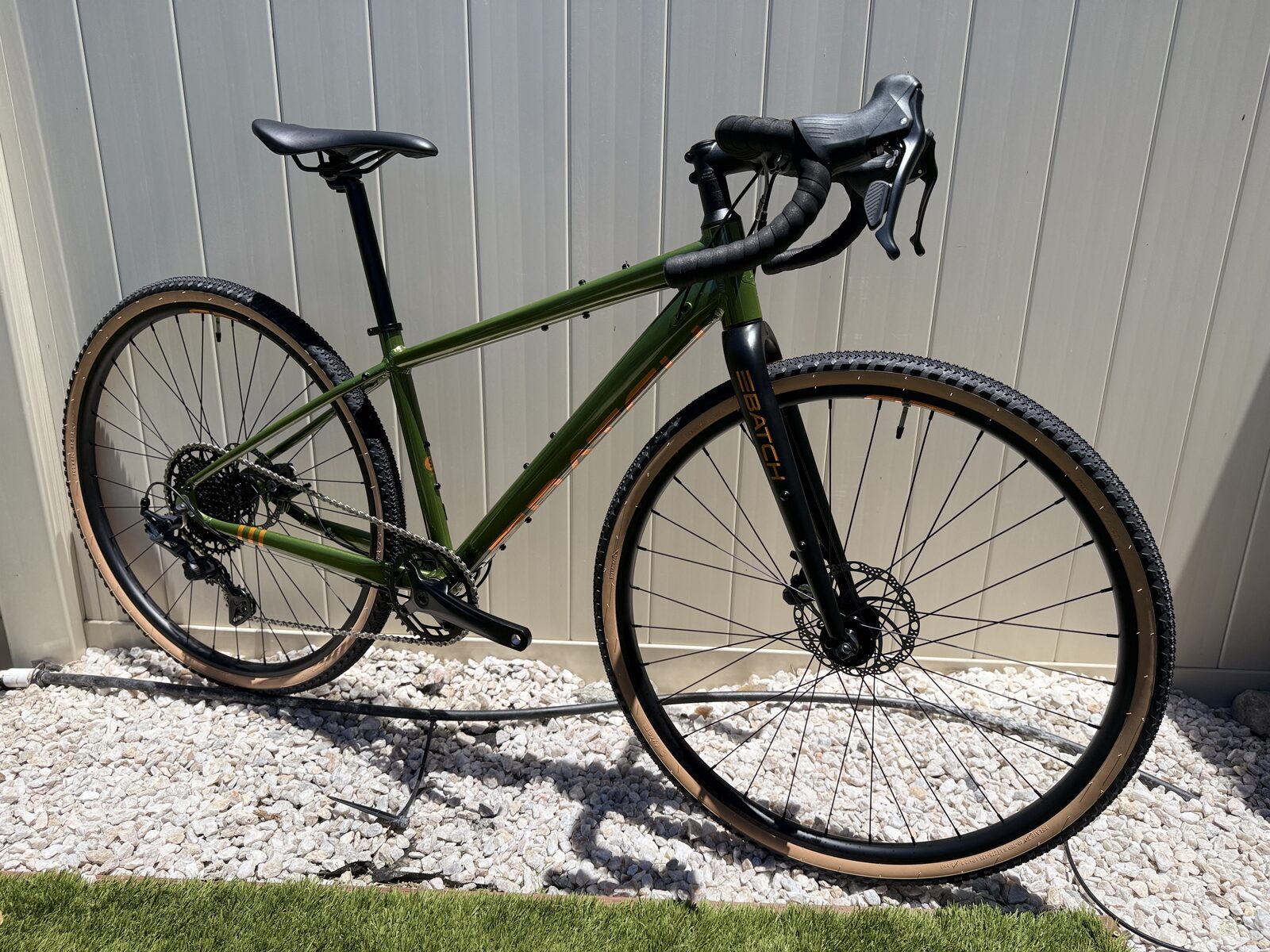
The process was straightforward. Unbox, cut the zip ties, peel away the foam, then work from the front: bar to stem, drop in the front wheel, dial in the gears, square the bar, and give the rear derailleur the slightest tweak to sharpen the indexing. The rotors weren’t rubbing out of the box, so I left them alone. Start to finish, an easy setup with no surprises.
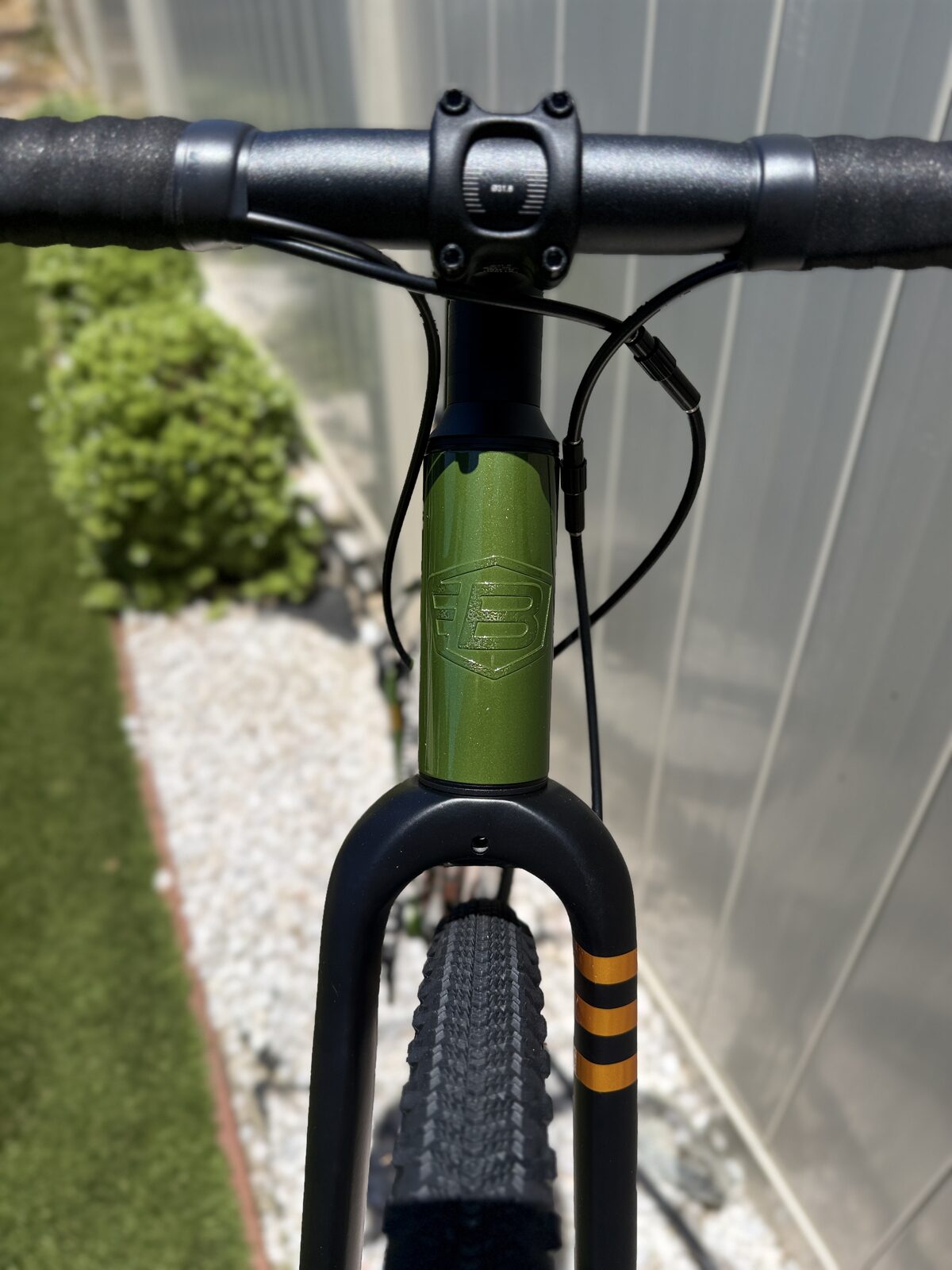
What stood out right away is the all-mechanical approach with cable-actuated shifting and cable-actuated disc brakes. There’s nothing to charge and no proprietary tools, just a system any home mechanic can service with gear they probably already own. For a bike aimed at riders coming into gravel, that ‘in the field’ serviceability is a feature. You don’t have to remember to charge up your bike!
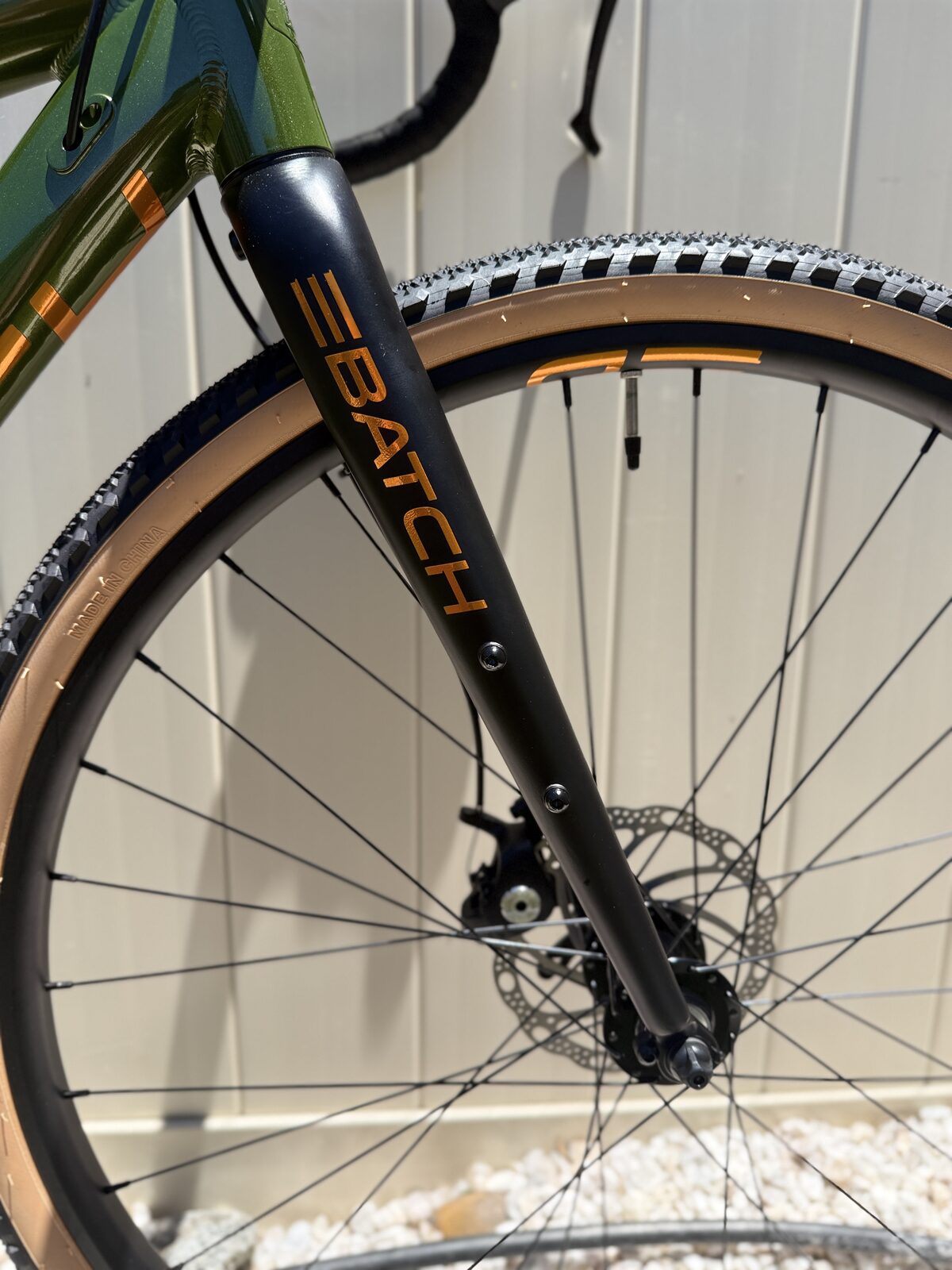
One detail the experienced eye will catch: the GB.1 rolls on standard dropouts with quick-release skewers, not thru-axles. The industry has largely moved to thru-axles, so QR feels almost nostalgic in 2026. It’s a tried and true system, tool-free for wheel removal, and at this price and purpose it sacrifices nothing a rider at this level actually needs.
Frame and Build Quality
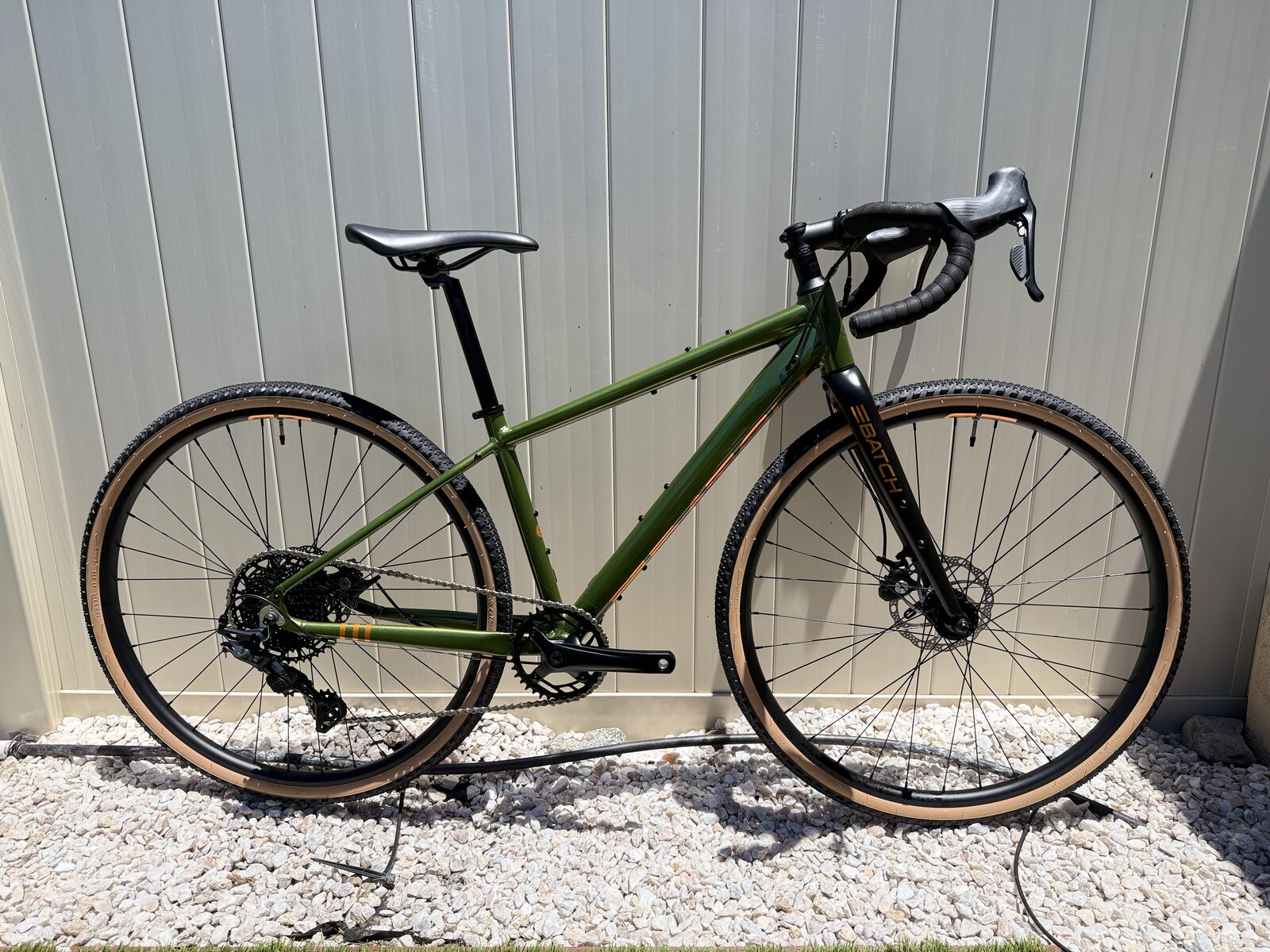
The 6061 hydroformed, double-butted aluminum frame is the foundation of the value story. The welds are clean and the glossy olive-green paint, set off with copper accents, looks more expensive than it is. Practical touches signal Batch built this to last and grow with you: a replaceable derailleur hanger, and integrated mounts for racks, fenders, frame bags, and extra bottles.
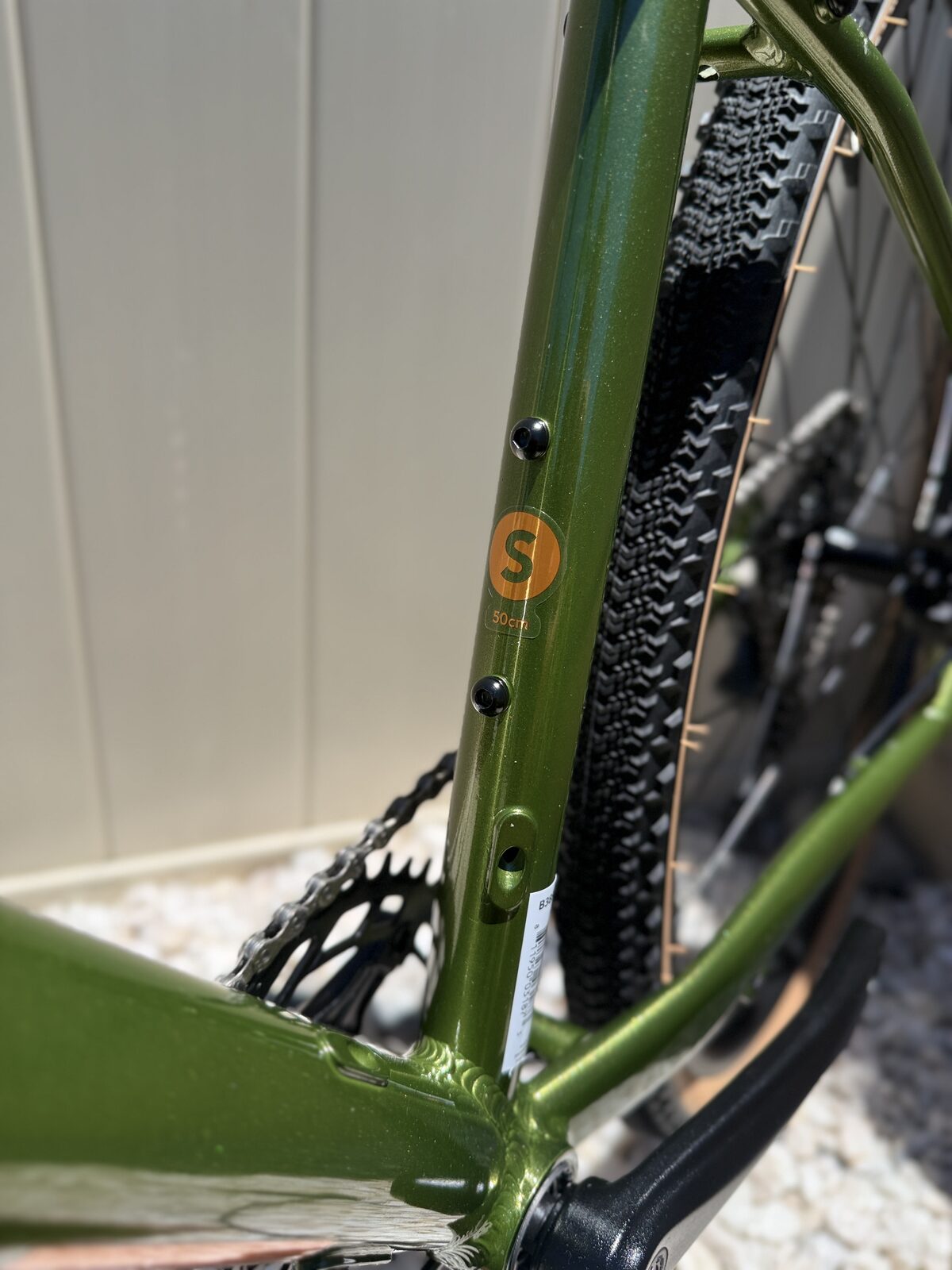
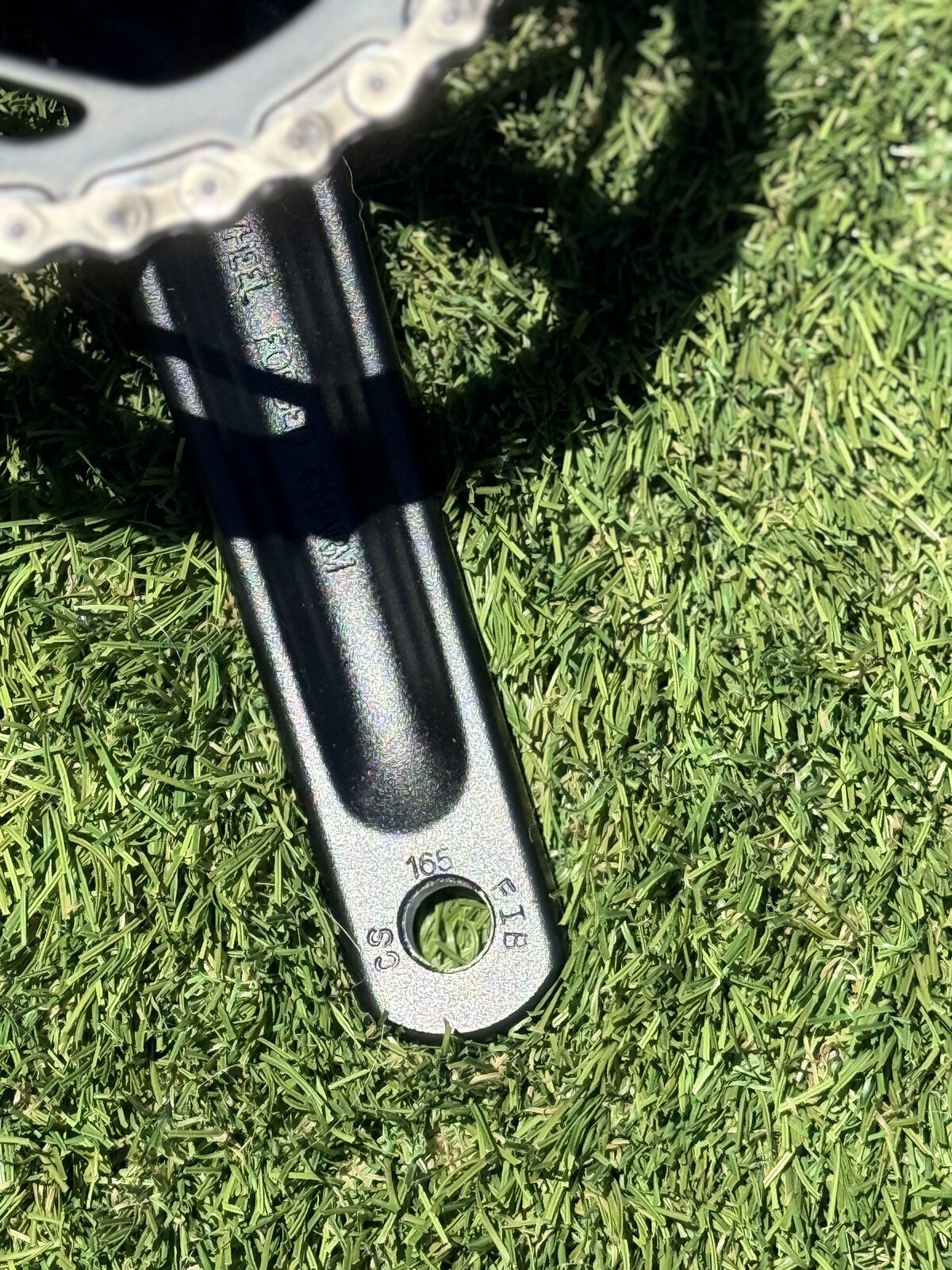
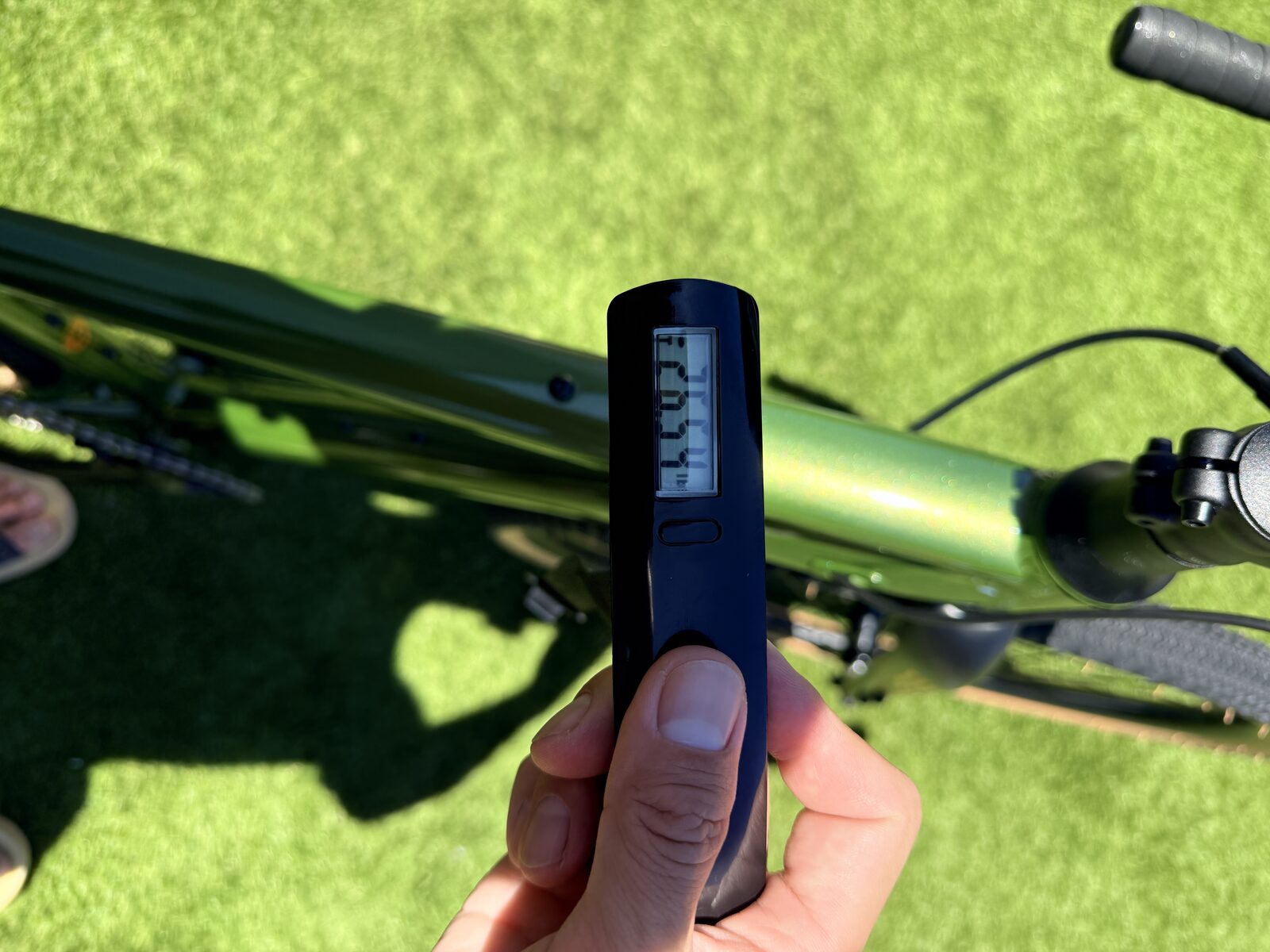
Two measured details you won’t find on the printed spec sheet: my 50cm test bike came with proportionally sensible 165mm crank arms, and because verified numbers matter here—I put it on the scale. As shipped, without pedals, it weighed a verified 26.54 pounds.
Drivetrain and Shifting
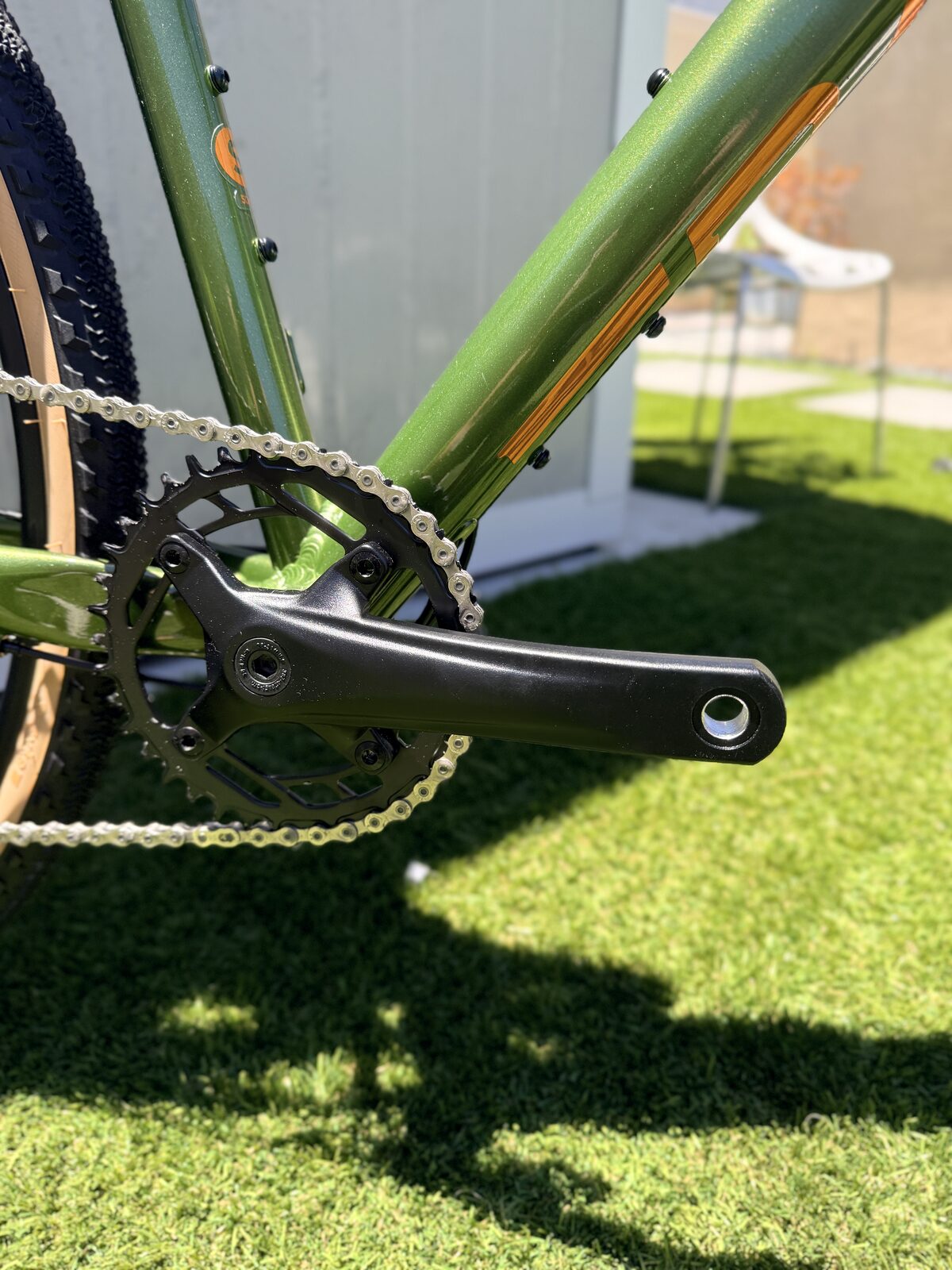
The heart of this bike is its MicroShift Sword 1×9 drivetrain, the component that most defines the ride. A clutched rear derailleur keeps the chain quiet and secure over rough ground, and the 11–46T cassette with a single 38-tooth ring gives a wide range. Going 1x removes a whole category of shifting decisions and maintenance, which is exactly what a newer rider wants.
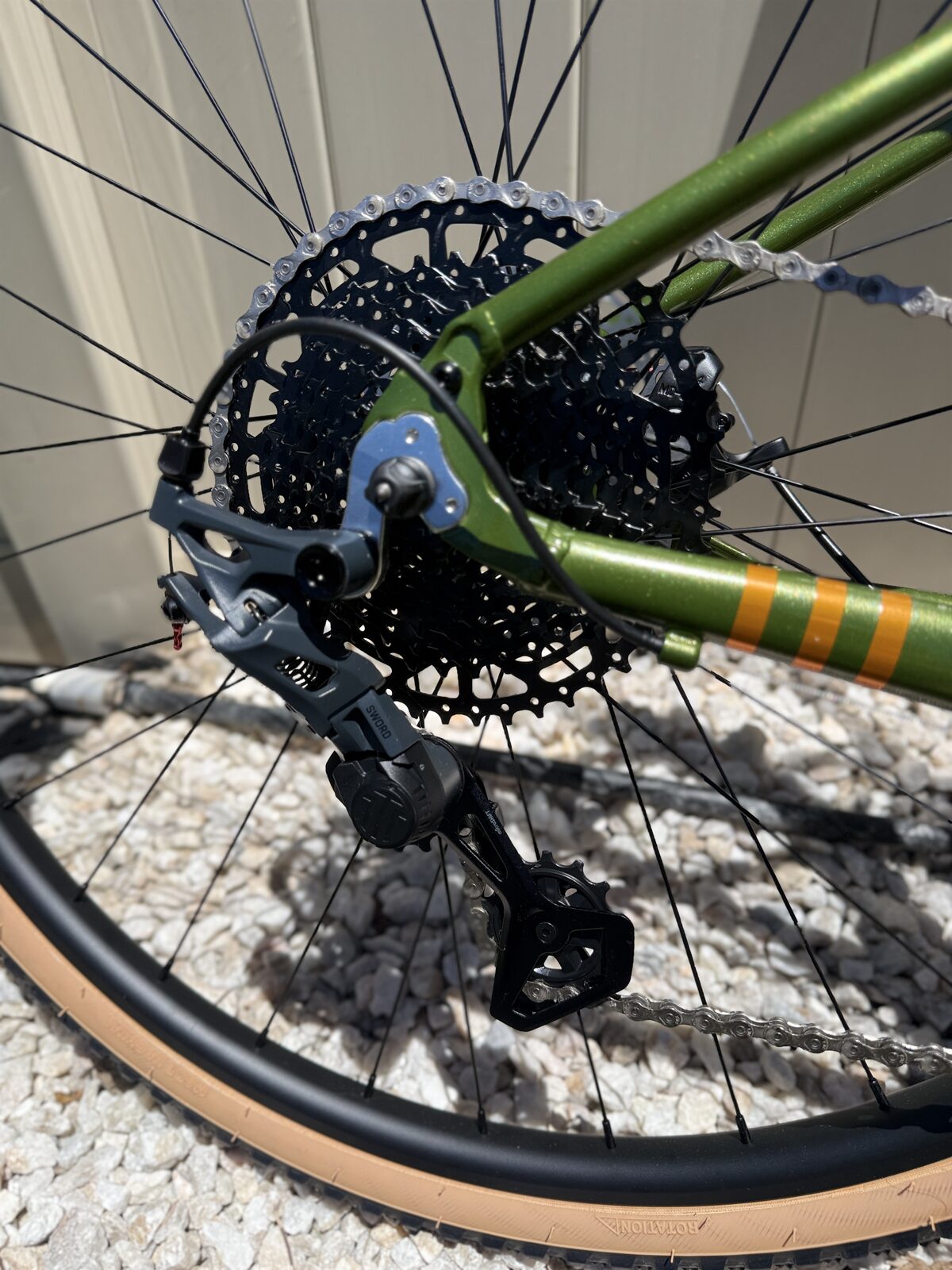
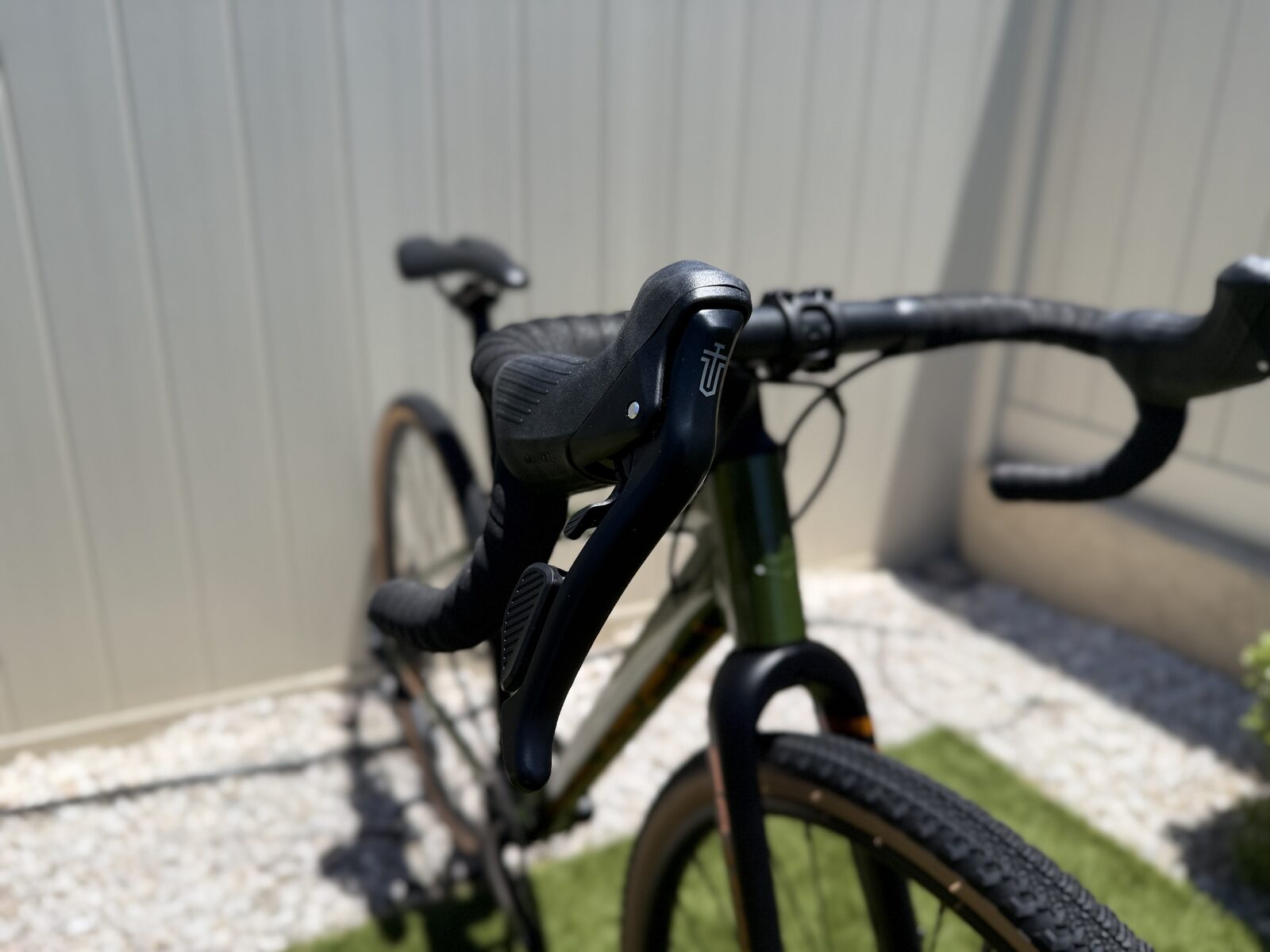
MicroShift has quietly become the value-conscious rider’s friend, and the Sword group is reliable, repairable, and happy with nothing but cables and hex keys. There is a small learning curve at the levers: you upshift with a light tap of the smaller level and downshift with a more deliberate throw. It catches some riders off guard at first, but quickly becomes muscle memory. For those who have been around bikes long enough, it’s similar to SRAM’s double tap.
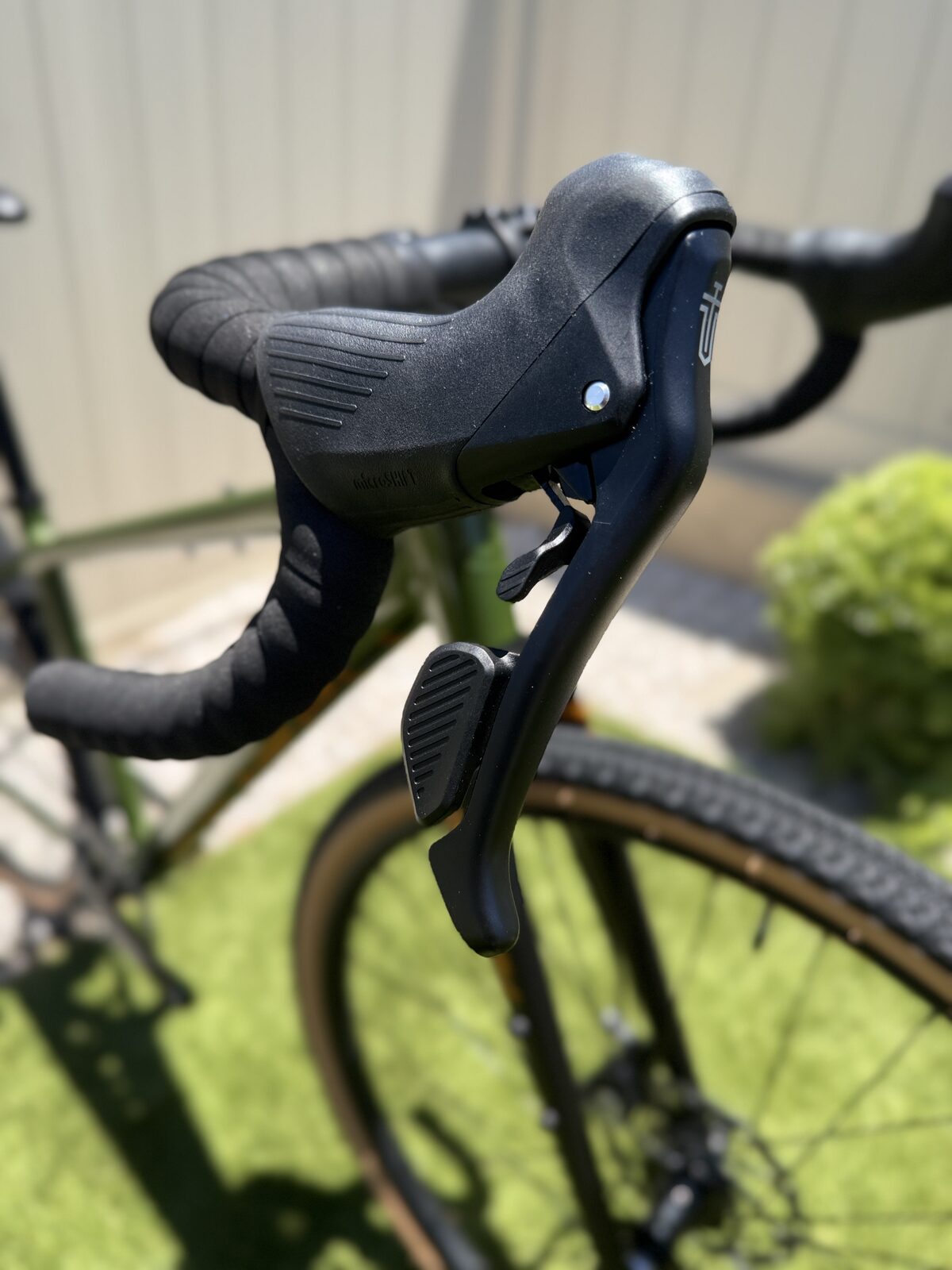
Honesty check for the gear-savvy: nine speeds means slightly bigger jumps than a modern 11 or 12-speed setup, and this is a ‘set and forget’ type of group, not an upgrade platform. If you’ll want to chase marginal gains later, you need to know that going in. For getting out the door and staying out there, it’s more than enough bike.
Brakes, Wheels, and Tires
Stopping comes from Tektro MD-C310 mechanical disc brakes on 160mm rotors front and rear. Cable-actuated discs lack the one-finger, self-adjusting bite of a hydraulic system, but they’re dependable, dead-simple to adjust by hand, and serviceable anywhere without bleeding a line.
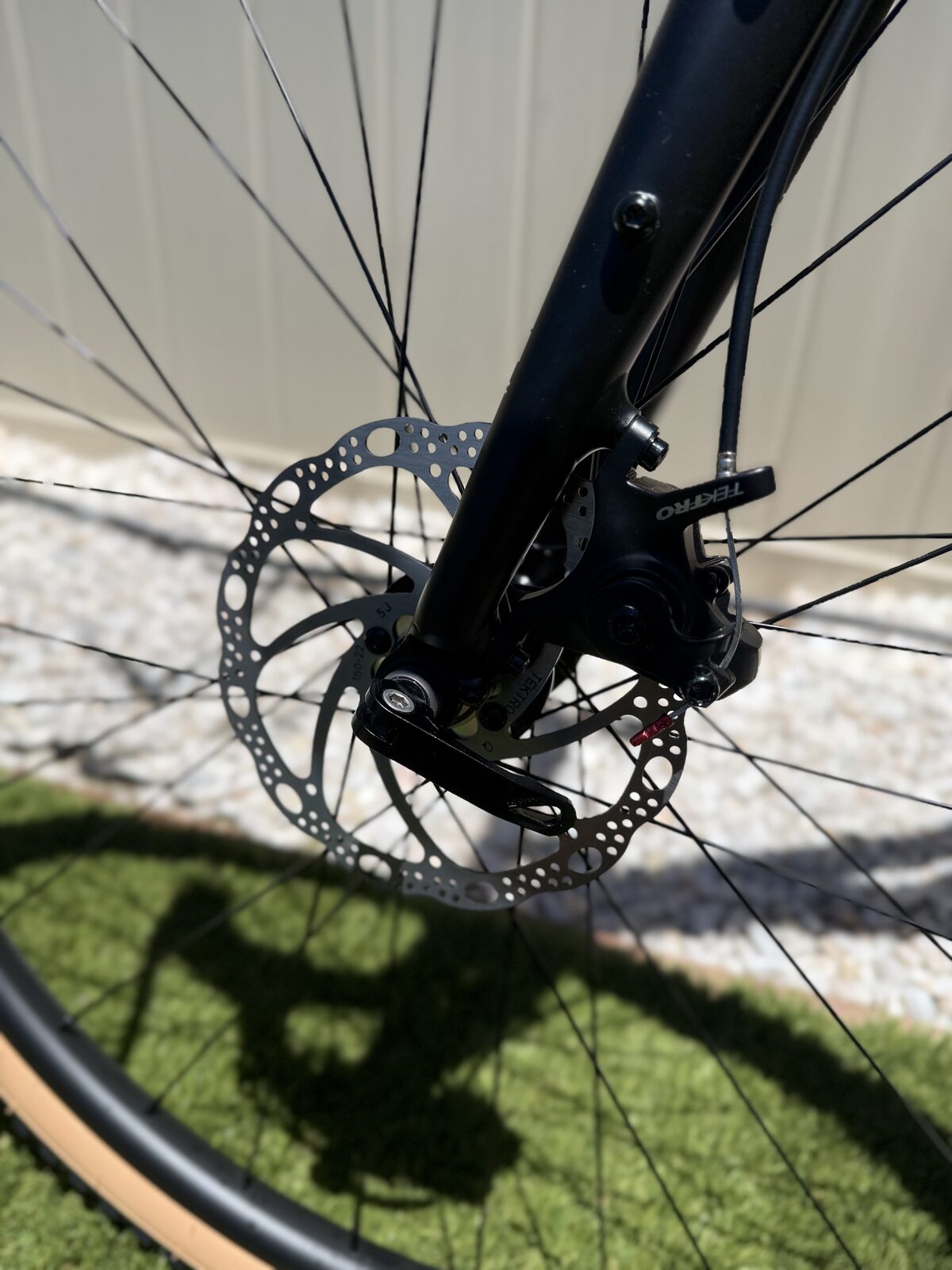
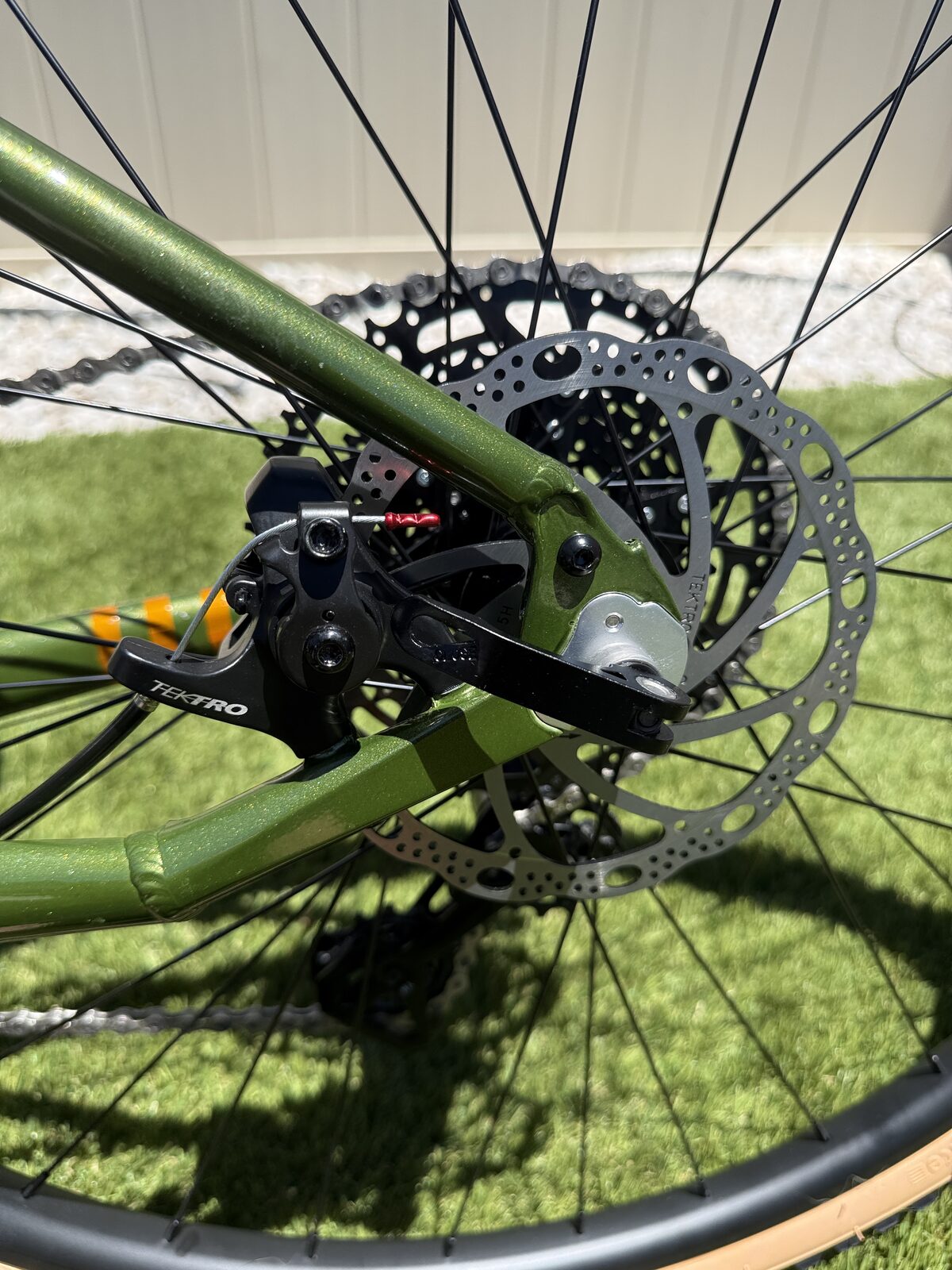
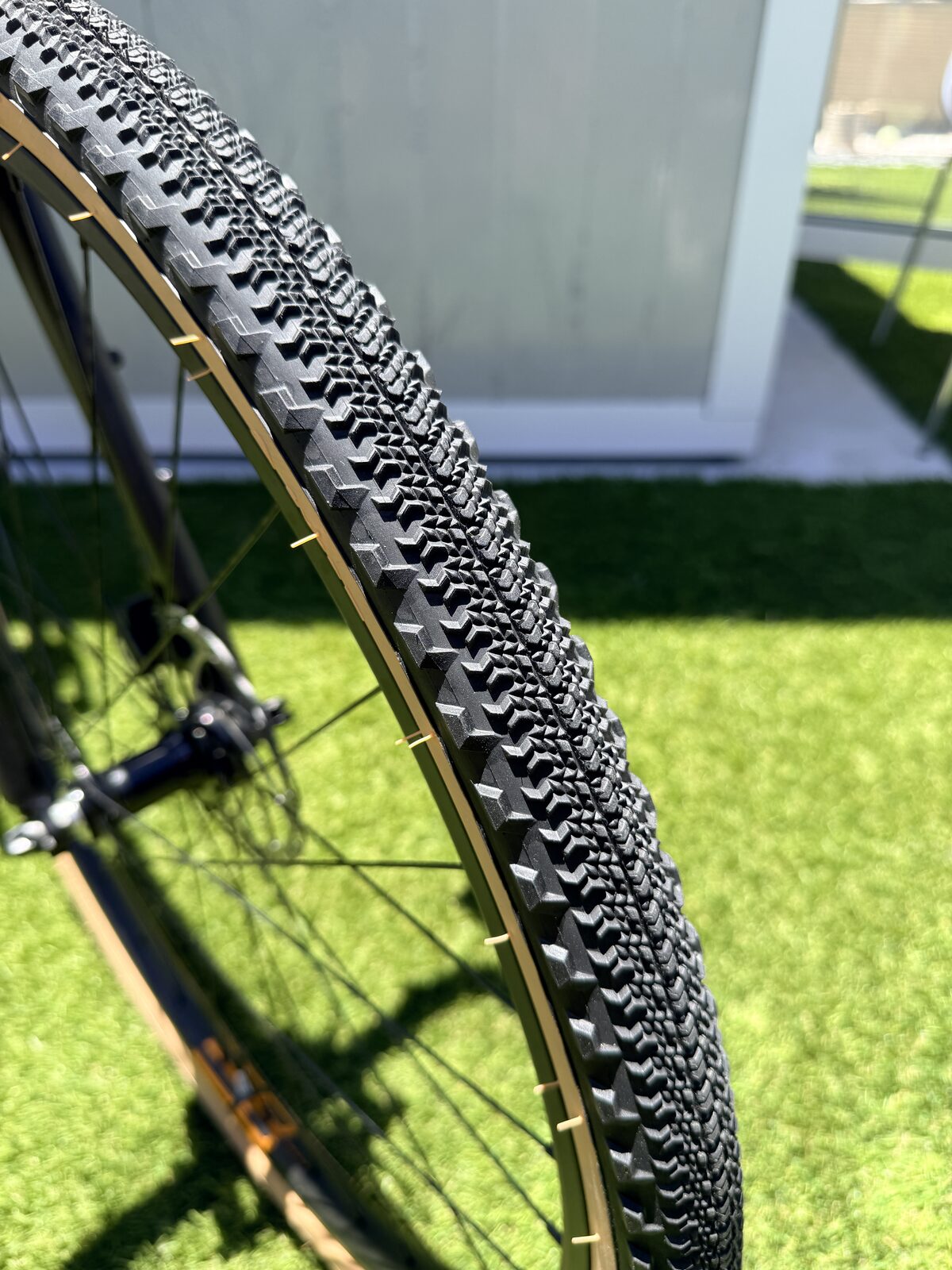
The 700c double-wall alloy rims ride on sealed-bearing hubs and, importantly, are tubeless-compatible. They’ll ship with tubes, but that tubeless-ready status is the single best upgrade path here: converting later is cheap and delivers the biggest real-world gain a new gravel rider can feel. When you are ready to go further than that, our look at the HED gravel wheel line covers what a real wheel upgrade buys you. The stock 700x42mm tires roll fast down the center with cornering knobs on the shoulders, wrapped in tidy tan sidewalls. And yes, you’ll need a quick release axle adapter!
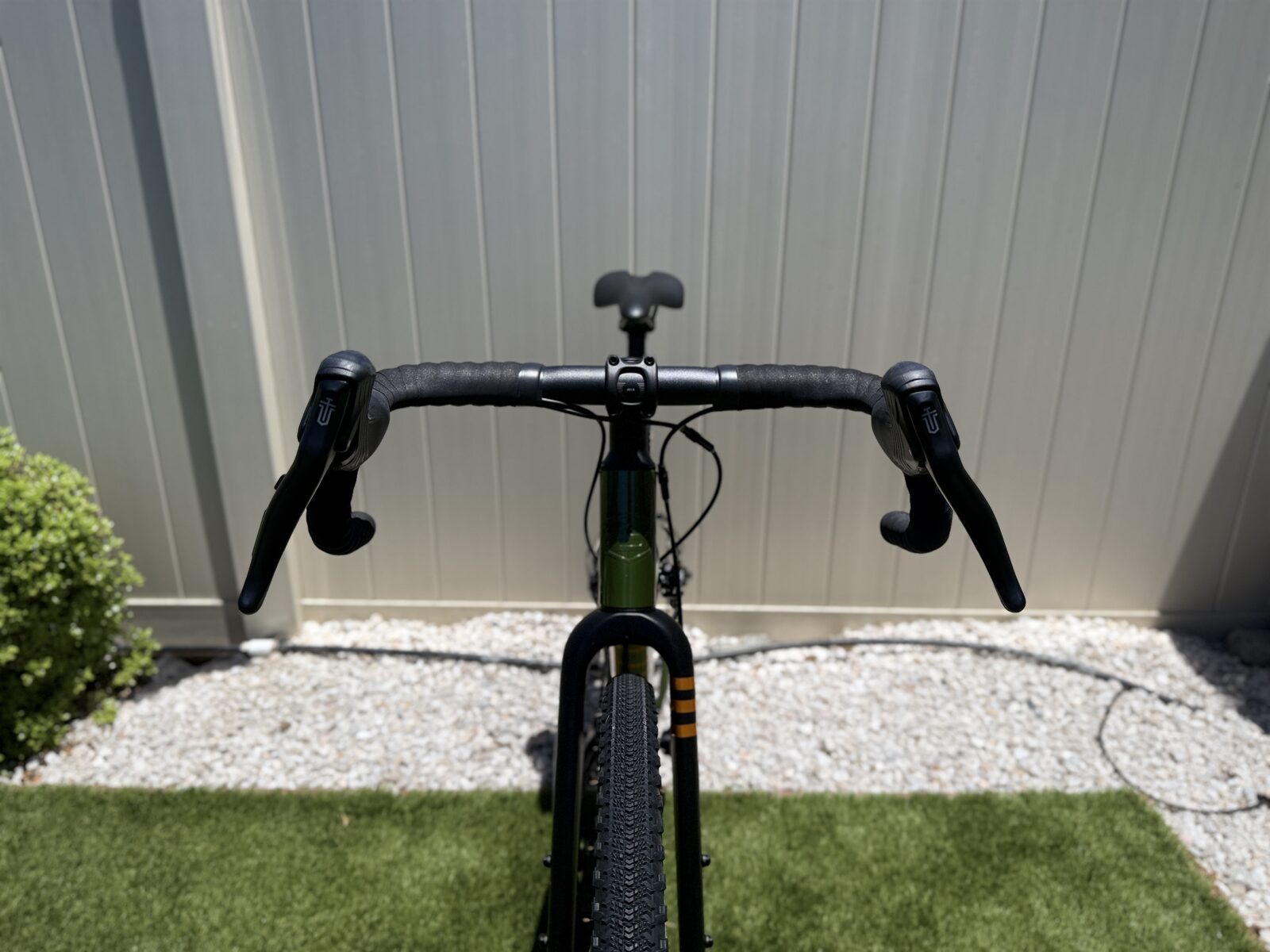
The alloy drop bar has a 16-degree flare which is wider and more stable in the drops when the surface gets loose, and kinder on the wrists. Pretty clean cockpit!
Batch GB.1 Specifications
$999.99 MSRP · Sizes: 50, 53, 56, 59 cm (S–XL) · Verified weight: 26.54 lb (50cm, as shipped, no pedals; weighed by Slowtwitch)
Frame & Fork
| Frame | 6061 hydroformed double-butted aluminum, replaceable derailleur hanger |
| Fork | 1-1/8″ aluminum gravel, flat-mount brake tabs |
| Headset | Threadless |
| Mounts | Integrated rack, fender, frame-bag, and extra-bottle mounts |
| Warranty | Lifetime frame and fork; one year on parts |
Drivetrain
| Shifters | MicroShift Sword Black, 1×9-speed |
| Rear derailleur | MicroShift Sword RD-G7005M, clutched |
| Front derailleur | None (1x setup) |
| Cassette | 9-speed, 11-46T |
| Crankset | Forged alloy, 38T chainring, 165 mm arms (50 cm) |
| Chain | KMC X9 |
| Bottom bracket | Sealed cartridge bearing, 113 mm |
Braking
| Brakes | Tektro MD-C310 mechanical disc |
| Rotors | 160 mm front and rear |
| Levers | MicroShift Sword Black |
Wheels & Tires
| Wheels | 700c |
| Rims | Double-wall alloy, tubeless-compatible |
| Hubs | Alloy sealed bearing, 32H, freehub |
| Spokes | 14G stainless |
| Axles | Quick-release, front and rear |
| Tires | Multi-condition gravel, 700 × 42 mm |
Cockpit & Finishing Kit
| Handlebar | 6061 aluminum drop bar, 16° flare |
| Stem | 3D-forged alloy |
| Bar tape / grips | EVA suede |
| Saddle | Batch anatomical |
| Seatpost | Alloy micro-adjust, 27.2 × 350 mm |
| Pedals | Not included |
On the missing pedals: this is standard practice across the industry, not a cost-cut. Pedals are a personal call. New riders often start on flat platforms, while anyone coming from road or tri already has a clipless system and cleats dialed in. Speccing a pair would only add cost and pre-empt a choice the rider is better off making.
First Impressions Riding the GB.1: On Dirt and Road
On paper, the GB.1 is set up to be a capable generalist: the 38×11–46 gearing has a low gear for loose climbs and enough range for flatter mixed terrain, the 42mm tires split the difference between pavement speed and dirt grip, and the flared bar plus quick-release wheels keep handling predictable. Here’s how that theory held up once I pointed it at real terrain.
My dirt time so far has been San Diego’s canyon network, mostly light singletrack and doubletrack gravel, and rocky (AND DUSTY) in the way our canyons tend to be. The GB.1 holds up well. Nothing about the rough stuff has rattled it loose or knocked it out of tune, and I’ve come away appreciating how forgiving the bike feels over that kind of chatter. For an aluminum bike at this price, that’s exactly the temperament you want on broken ground.
On pavement, the 42mm rubber turns out to be the smart middle ground the spec sheet promises. The knobbies (tires) feel stable and planted underneath you, and to my mind that width strikes a great balance, which is enough tire to settle down rugged terrain, but road-friendly enough that the tarmac stretches between dirt sections never feel like a tax you’re paying to get there.
The top gear does run out, but it runs out exactly where you’d expect it to: pointed downhill. That reads to me as a design decision rather than an oversight, because the gearing range sits where this bike needs it. And if you’ve spun out the 38×11 on a descent, you’re already going plenty fast. Count yourself lucky, stop pedaling, and enjoy the wind!
The one thing I didn’t love is the saddle, which is narrow. Saddles are personal, so take that as preference rather than a defect. But for adult riders, and for the kind of riding this bike invites, I think most people would be better off on something wider out of the box. You want to be able to shift your weight back on the saddle, and something in the 145–155 mm range gives you real comfort and support at the rear. That contact point matters too much to leave to chance.
Who Is This Bike For?
This is where the GB.1 makes its case. It’s for the first-timer who wants a real drop-bar bike without a high price tag. It’s for the roadie or triathlete curious about dirt who doesn’t want to gamble four or five figures to find out if gravel is their thing. And it’s for the rider dabbling across surfaces, gravel one day, a road loop the next, some cyclocross, or an all-terrain commute.
The all-mechanical build is part of the pitch for these riders, too: standard parts and familiar interfaces make the GB.1 a forgiving, inexpensive bike to learn to wrench on.
It’s also filling a widening gap in the cycling industry. The big brands keep pushing further upmarket, and the gap has widened between the low-end bike you grab at a big-box store and the mid to high-end bike you buy at a shop. So I appreciate that Batch looked at that gap and decided the market needed bikes that hit a price point without giving up quality.
It’s worth putting numbers on that gap. Go to the brands most riders think of first, and the entry point to gravel sits well above a grand. Trek’s least expensive Checkpoint, the ALR 3, lists at $1,499.99. Specialized’s cheapest Diverge, the E5, is $1,599.99. Cervélo doesn’t play down here at all since the Áspero line opens north of $3,500. Not one of them sells a gravel bike under $1,000. That’s the bar the GB.1 clears, and it’s why this bike deserves a look even from riders who’d never otherwise consider a house brand.
Sub-$1,000 gravel bikes do exist, mostly from direct-to-consumer and house labels, and some of them are good. What’s rare is finding one at a bike shop – Batch sells through independent dealers only – built up by a mechanic, with a lifetime frame & fork warranty standing behind it. That combination is the GB.1’s real argument. Plus, you’ll need to pick up some accessories when you’re picking up the bike.
That matters most for the rider who doesn’t know where to start. Getting into cycling is daunting, and more often than not it’s the cost that turns people away. It shouldn’t be the deciding factor, but at the end of the day it is. Put a real value price together with parts that hold up, and a beginner walks away with something that will last. One more thing worth saying, because it’s where a lot of first-time buyers end up looking. There will always be a used market, but at this price the GB.1 makes a real case for buying new.
The Bottom Line
The Batch GB.1 does the thing that’s genuinely hard: it removes the cost barrier to gravel without feeling like a bike you’ll abandon in a season. The frame is sturdy and warrantied for life, the Sword drivetrain is reliable and repairable, the tubeless-ready wheels leave an upgrade path, and the whole thing is fun to just ride.
Be clear-eyed about the trade-offs, because they’re real: mechanical brakes and a nine-speed group don’t have the refinement or the upgrade ceiling of pricier setups, the lever action takes a beat to learn, the saddle is narrower than most adults will want, and at 26.54 pounds (size S), it won’t win any weight-weenie contests. None of that is a dealbreaker for the rider this bike is built for. If your goal is to get onto gravel, or onto a bike at all, and actually enjoy the riding, the GB.1easily clears that bar.
Editor’s note: This is the first of two looks at the Batch GB.1. Stay tuned!



thanks for review.. there are a couple of gravel tris near me, just can’t get my head around buying yet another bike, while also not being prepared to race on a MTB
I’d been looking at the Specialized Diverge at $1400, it is 2x8 rather than 1x9, also a bit downspec.
The other possibility is to haunt FB and Craigslist for an older gravel bike..
thanks for reading!
You could try and slap some thicker tires on your current road bike. That’s what I did for Belgian Waffle Ride back in 2018. Rim brake 32mm tubeless tires.
The technology has made it way more enjoyable to ride on uneven terrain. Would love to hear what you end up going with!
No man, going 1x saves the producer some money and makes the bike a bit lighter (looks better in a sales pitch). If a “new rider” finds a 2x setup challenging to ride, definitely stick to a city bike.
I can’t understand how the bike industry is able to sell 1x for gravel. It just doesn’t make sense. You start to spin out at 40 km/h (25 mph) and get those wild gear jumps whenever you’re on undulating terrain (of which there’s usually plenty when you go offroad). How is that easy for a new rider?
And you’re probably still using a wool jersey. Gravel don’t need gears these days
to each their own - you’re welcome to ride 2x as your heart desires, or even 3x if you want to get ALL the gear variations.
Rolling 25mph+ on gravel is when i’m usually feathering the brakes to make sure i have control over speed.
i also just cleaned the bike yesterday and also waxed the chain. the 1x narrow-wide chainring really helps break in the wax too, but that’s for another discussion
Yeah, I was thinking along the lines of rolling 25+ mph on tarmac, which is where (I’m told) gravel bikes are also expected to perform
Price point has me interested. Wo6ld ne nice to see a comparison breakdown of similar bikes
I think you might a little confused on the gearing options that are available this days when it comes to 1x
all my current road bikes are from the 20th century, 25mm is the best they can do.. ha
easy fix Challenge Tires - The Slowtwitch Collective