


The CADEX Ultra WheelSystem
I have no doubt that the CADEX Ultra WheelSystem was heavily influenced in its development by the needs of their UCI WorldTour sponsored team, Team Jayco Alula Pro Cycling. We’ve found that CADEX products tend to go hand in hand with long course cycling and triathlon, though we’re seeing it pop up more and more in short course triathlon. As a general rule, CADEX products are of a premium quality — and yes, price that goes with it. If you’re looking for super speedy racing equipment or just a superior product for your everyday bike, CADEX has it, and I’ve been nothing but impressed by their line-up.
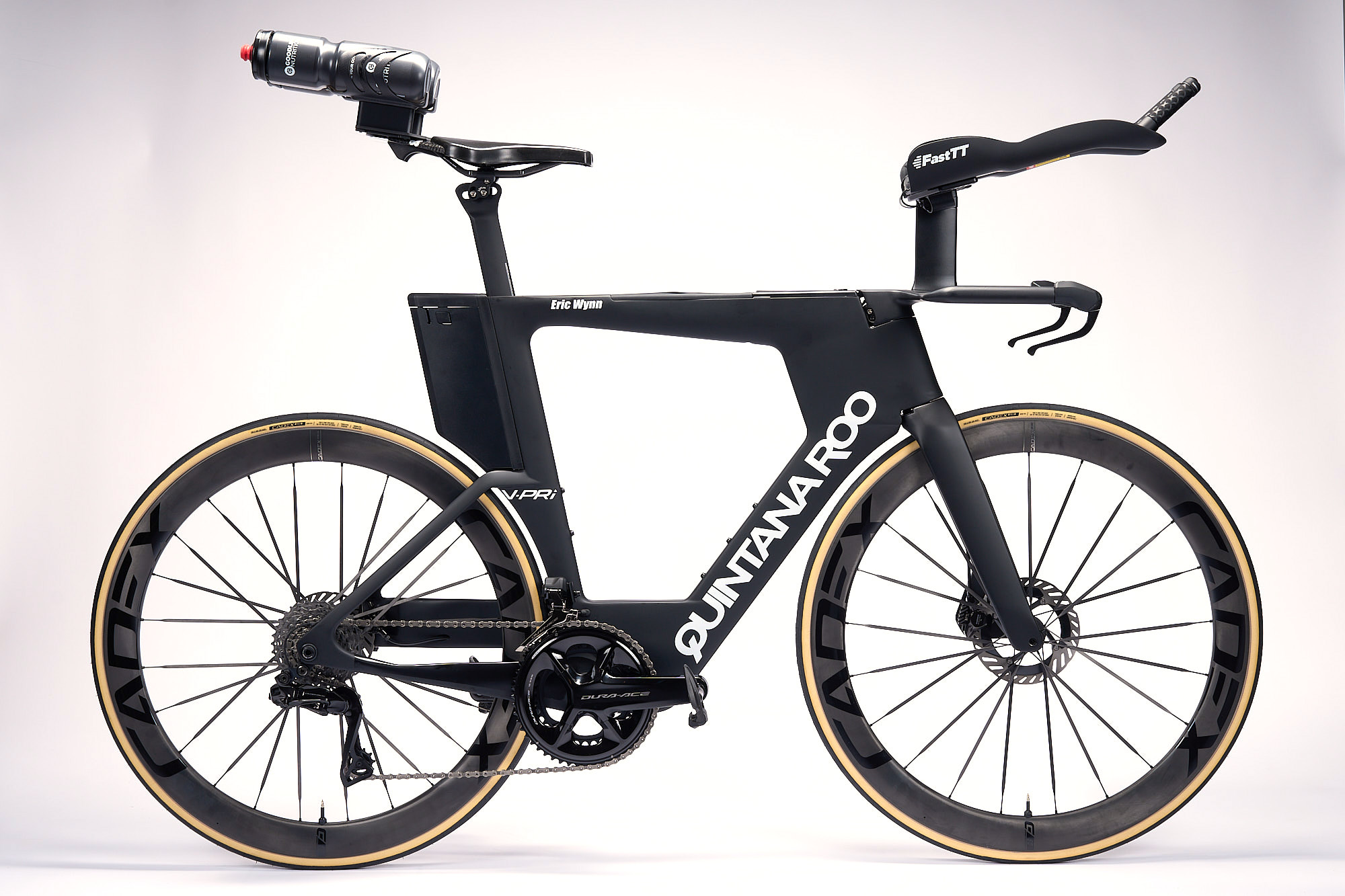
The Ultra 50’s have been out since 2022. This last summer, CADEX quietly added the new Ultra 40’s to bring a new depth to the line. The 50’s have been field tested internaly tested against the best wheels in the marketplace and have been proven to be superior at the time in most categories — at least, according to CADEX’s own internal data. But with the demands of a pro tour team and short course triathlon really ramping up, it makes sense that CADEX would add a shallower depth wheel to trickle the 50’s technology down to.
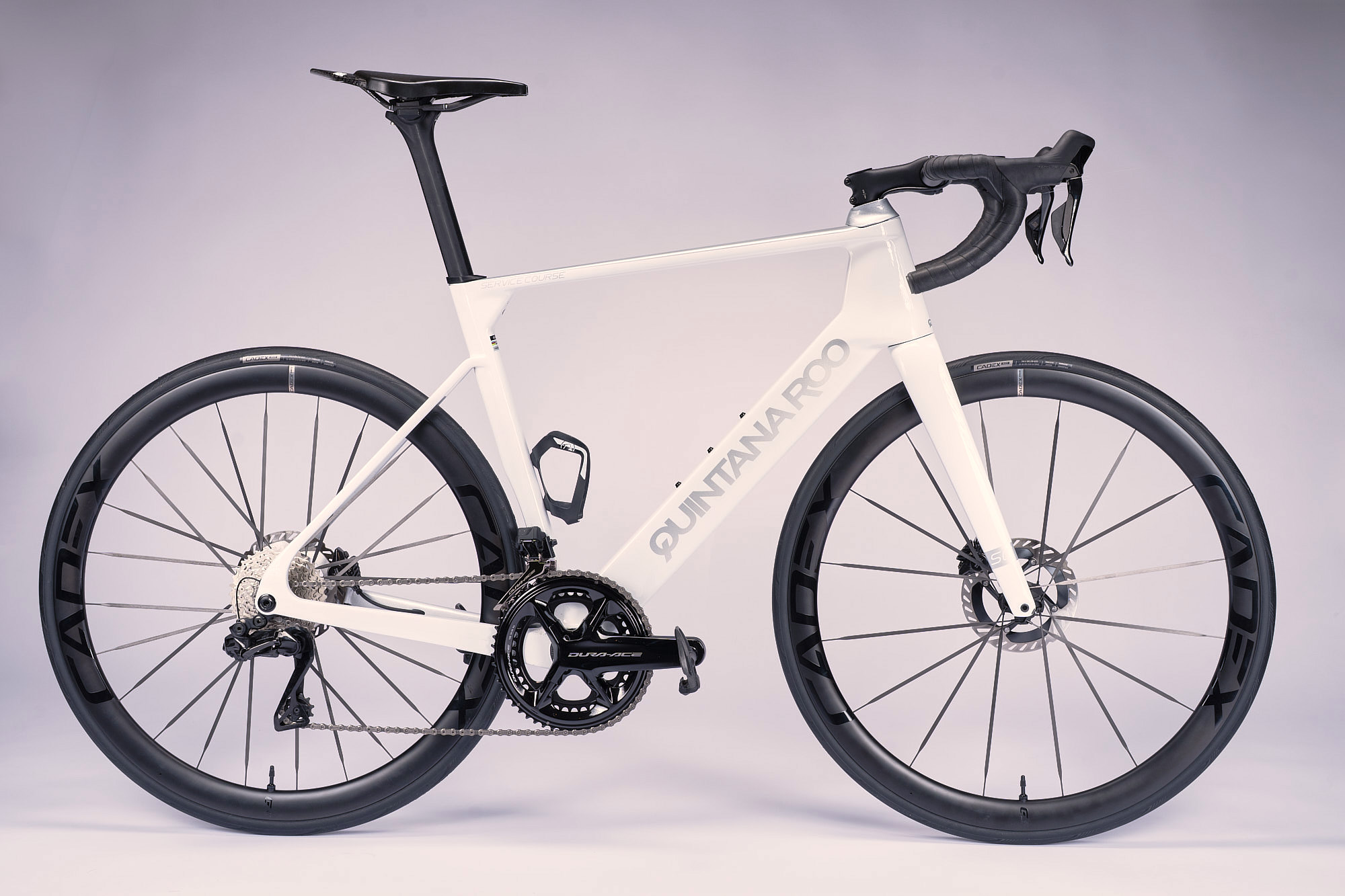
#Overachieve is the hashtag slogan you will see as soon as you get to the inner box of CADEX packaging. The feeling that you are opening an Apple-esque product never leaves my thoughts every time I get to that point. Every detail of the packaging alone is well thought out and the delivery is always impressive. While some of the products themselves may be 100% overkill for some consumers, CADEX doesn’t have a desire to be a company for everyone. Instead, this sub-brand within Giant is designed to be the pinnacle of performance for the company and the categories it competes in.
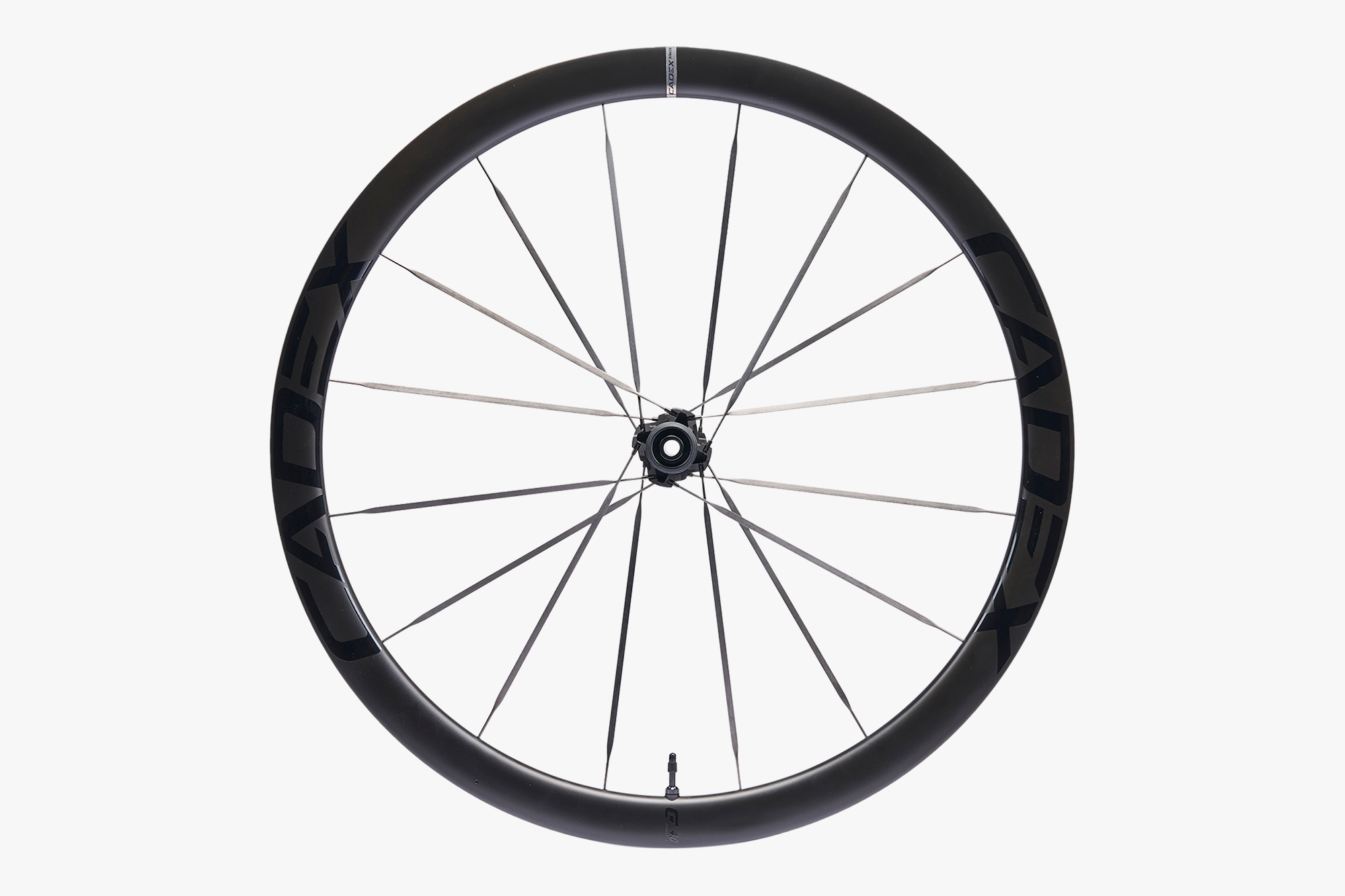
CADEX Ultra 40 vs Ultra 50 — Full Specifications Comparison
| Specification | Ultra 40 | Ultra 50 |
|---|---|---|
| Rim Depth | 40mm | 50mm |
| Internal Width | 22.4mm | 22.4mm |
| External Width | 28mm | 30mm |
| Hookless Bead Width | 1.8mm | 3.8mm |
| Weight (claimed) | 1340g | 1349g |
| Hub (Front) | CADEX R3-C Aero Hub | CADEX R3-C Aero Hub |
| Hub (Rear) | CADEX R3-C48 Aero Hub | CADEX R3-C40 Aero Hub |
| Ratchet Engagement | 48-tooth | 40-tooth |
| Bearings | Ceramic | Ceramic |
| Spokes | CADEX Super Aero Carbon Spokes | CADEX Super Aero Carbon Spokes |
| Spoke Count | 16 front / 24 rear | 16 front / 24 rear |
| Lacing | Dynamic Balanced Lacing (DBL) | Dynamic Balanced Lacing (DBL) |
| Tire Compatibility | 25–32mm | 25-32mm |
| Brake Type | Disc only (Centerlock) | Disc only (Centerlock) |
| Axle Standard | 100x12mm (F) / 142x12mm (R) | 100x12mm (F) / 142x12mm (R) |
| Freehub Options | Shimano HG, SRAM XDR, Campagnolo N3W | Shimano HG, SRAM XDR, Campagnolo |
| UCI/ITU Approved | Yes | Yes |
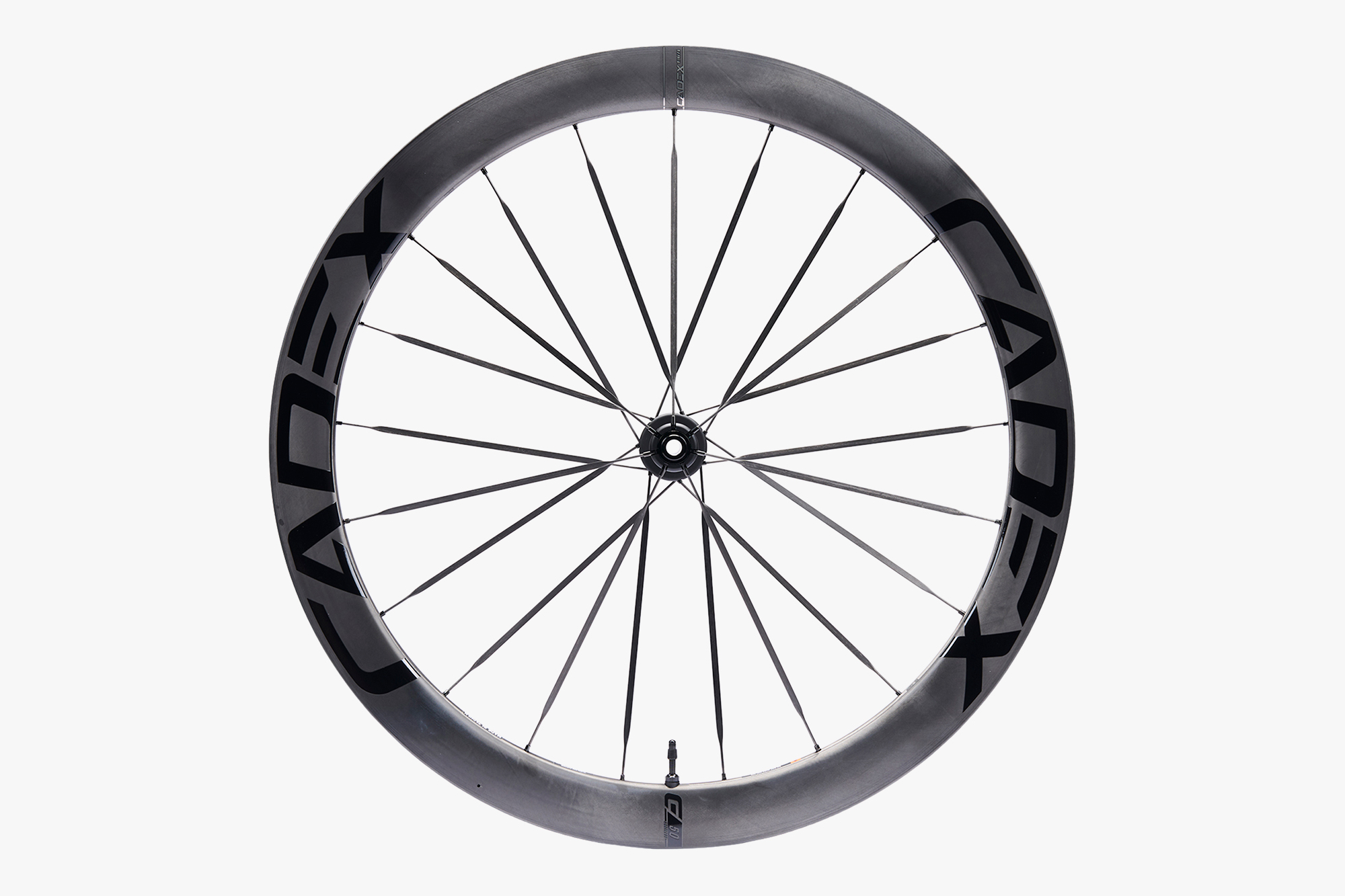
What’s Been Updated
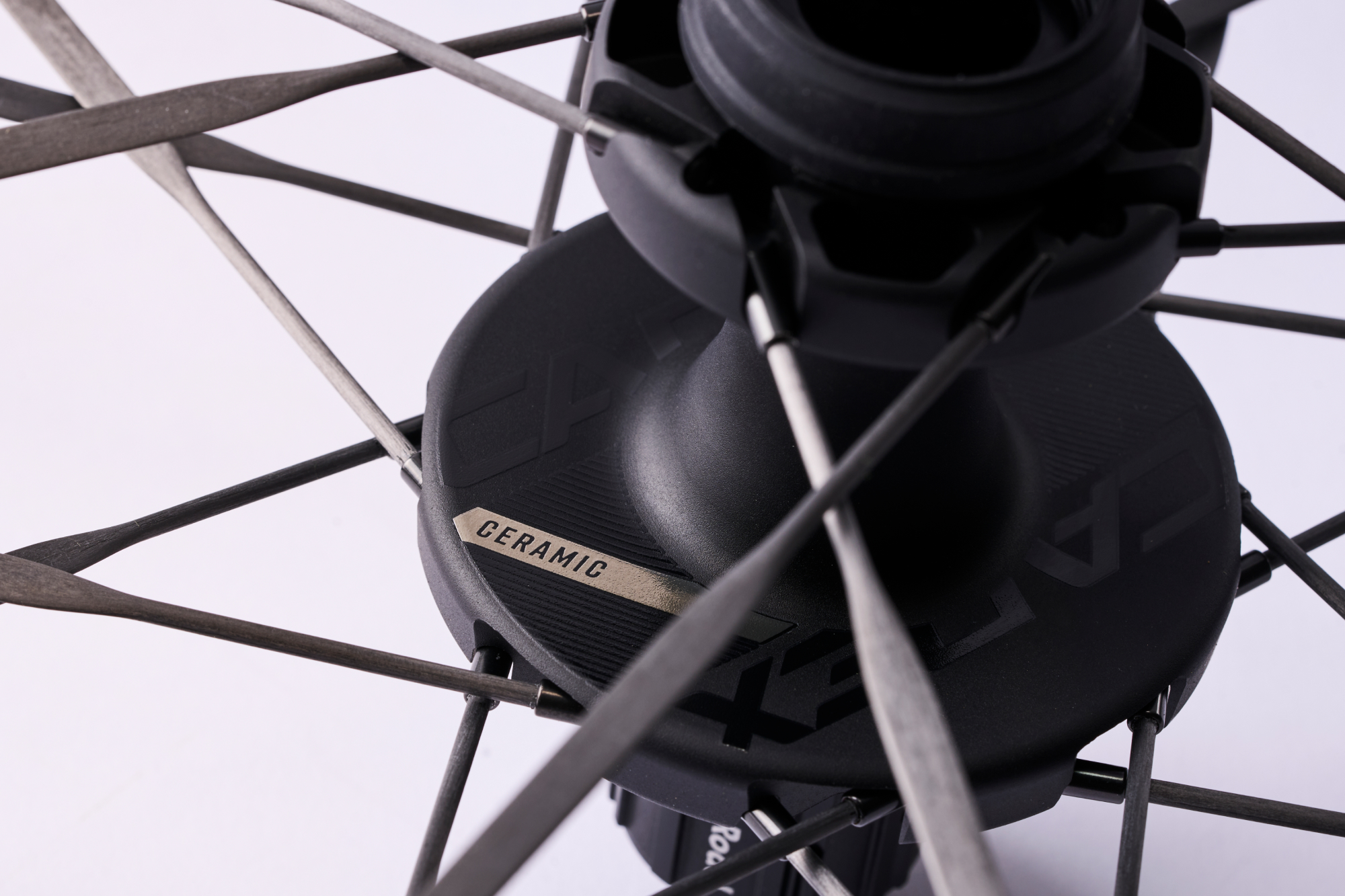
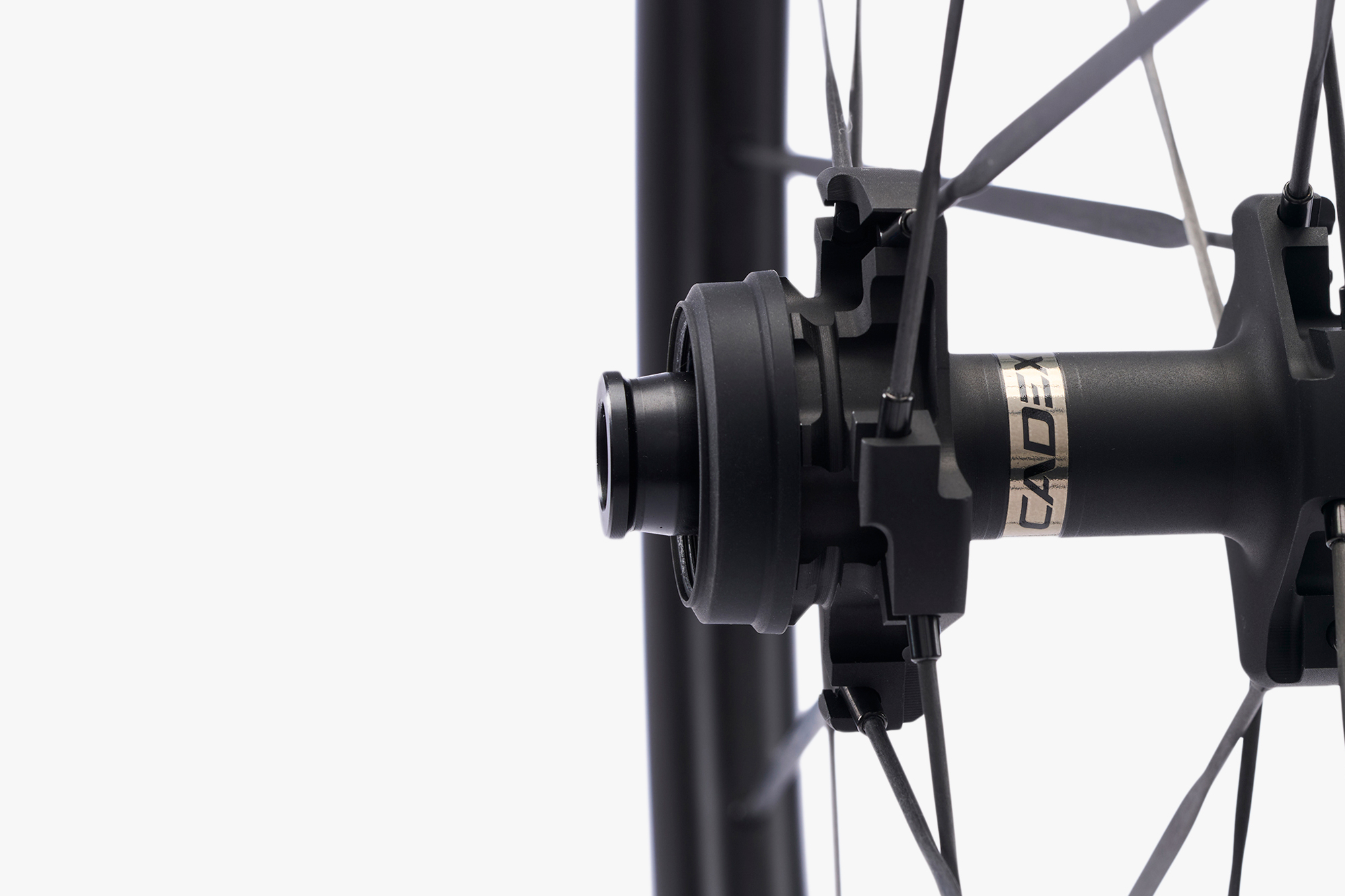
Two things stand out as main changes. External width got ever so slightly narrower, going from 30mm to 28mm. CADEX also used the newer CADEX R3-C48 hub in the rear, which is a 48-tooth ratchet engagement. Meanwhile, up front, you’ll find a CADEX R3-C Aero Hub. According to CADEX, this has enabled the rider to have higher engagement across a wider yaw angle. In other words, assuming that this wheel is going to be used in more of an attack mode, it gives that rider less delay in response when delivering power to pavement.
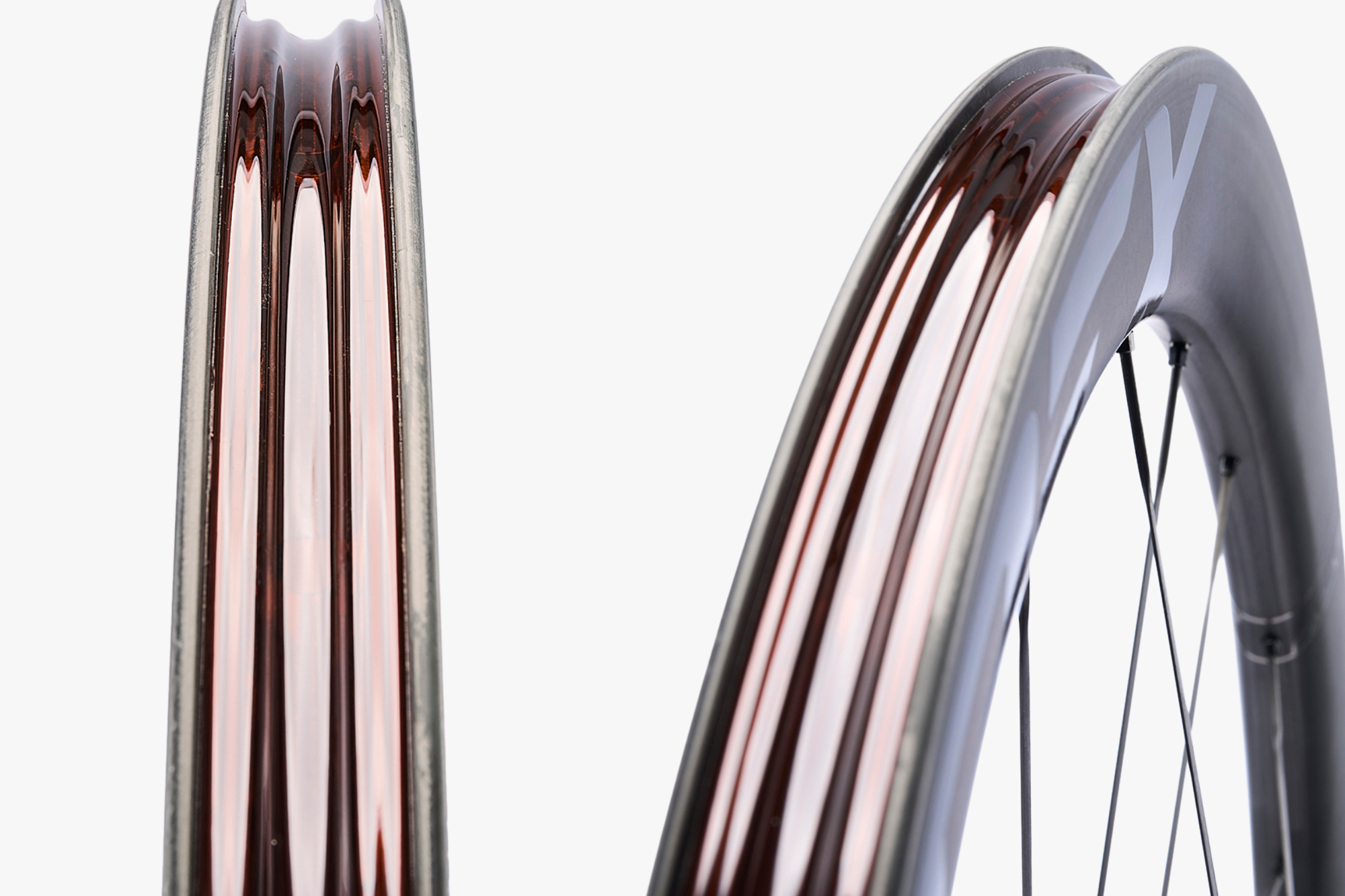
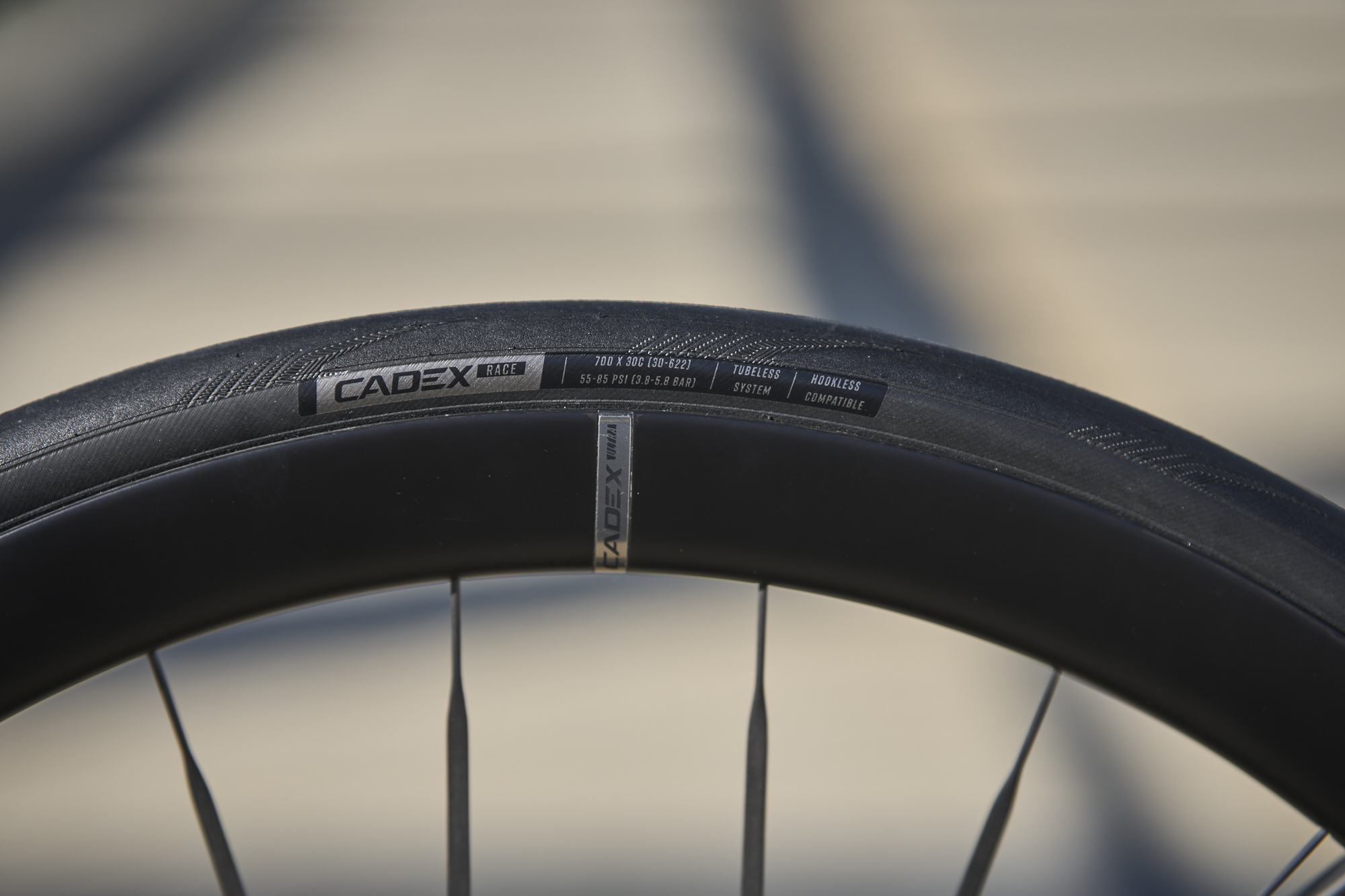
Generally speaking, other hookless road systems seem to be staying with the 23-25mm internal rim widths while CADEX sticks to the 22.4mm for all of their road products. Between that and the 3.8mm hookless bead width, this is probably why they are able to comfortably allow for 25mm CADEX tires and at much higher pressures than the generic ETRTO 72.5 PSI / 5 bar standard. Yes, you can go ahead and pump higher than 72.5 PSI on most CADEX tire and wheel combinations.
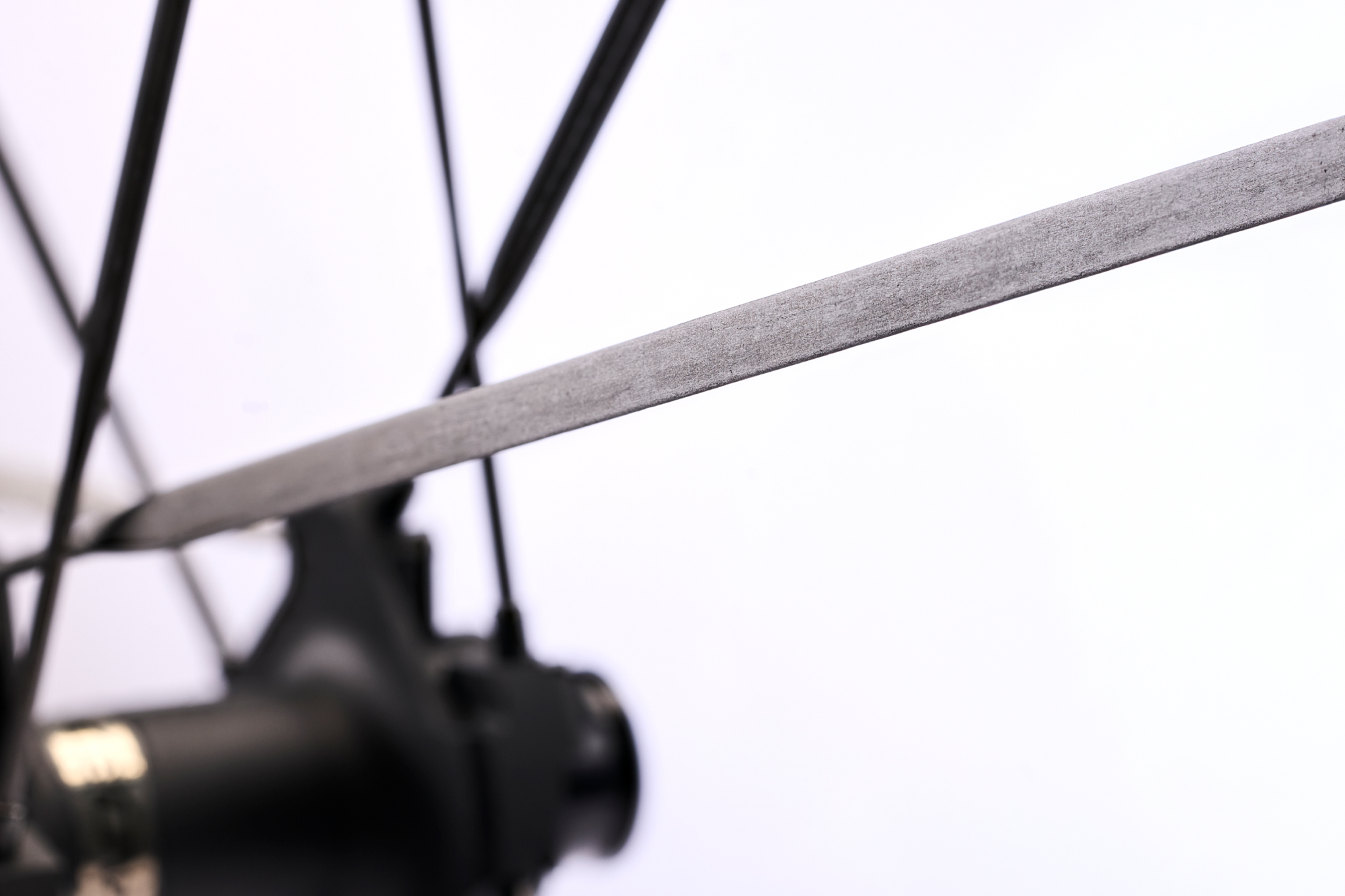
The Ultra Line complements the 42/65 Gold Signature Edition wheels that bear the name of the one and only Kristian Blummenfelt. It’s that wheel combination that won gold in Tokyo.
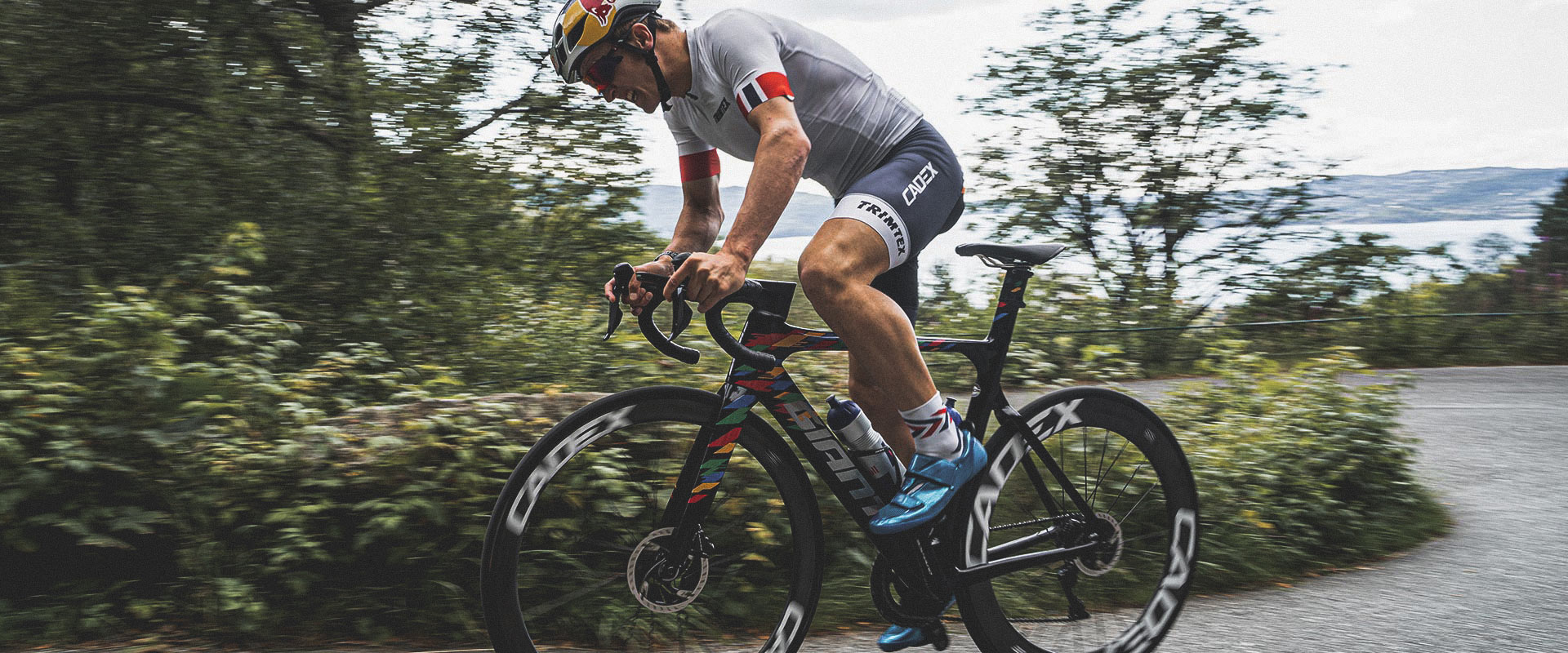
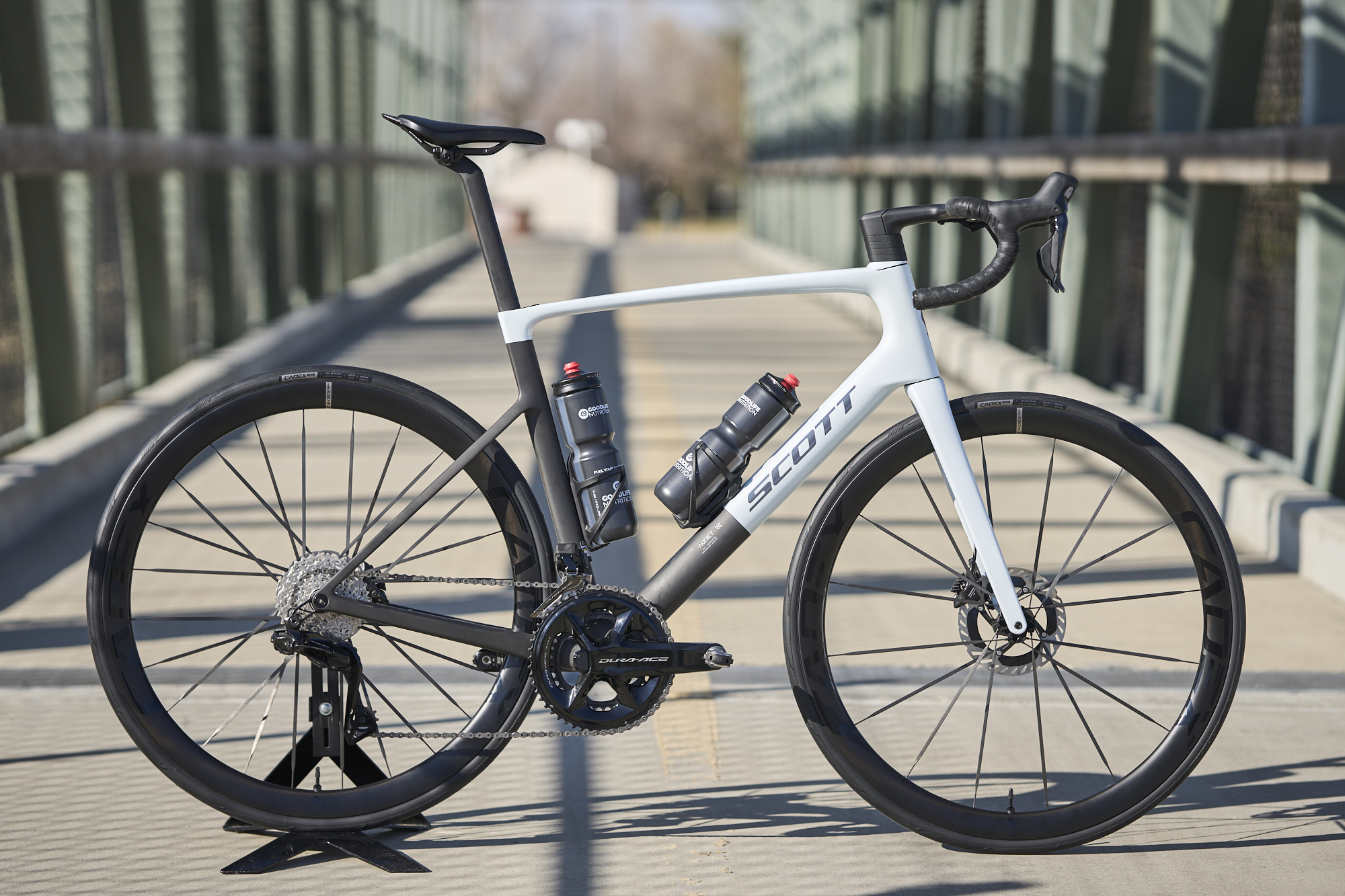
The Ultra 50 rear and 40 front, meanwhile, could be the next wheel set ready for a signature edition, say for someone like Beth Potter. On the consumer level, it can serve as a great option for someone not really ready for super deep wheel set, or simply looking for an all-around aero wheel.
What I Have Ridden
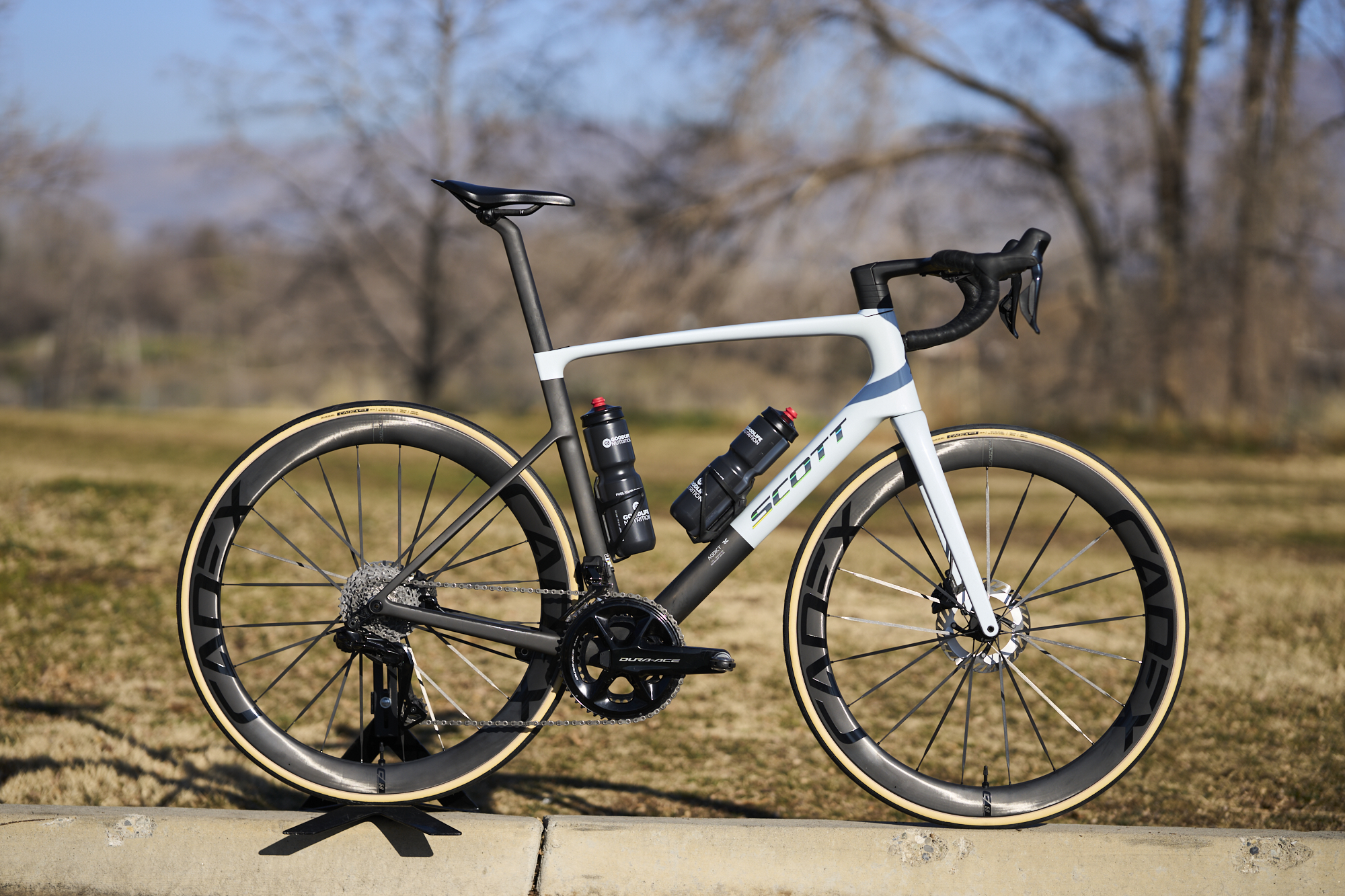
I have put a couple of hundred miles on these new wheels. Like all CADEX products I’ve tested, I have found them to be just a nice as they claim to be. The only thing I would like to see is an upgrade on the 50 rear hub to match that of the 40. That newer CADEX R3-C48 Aero Hub does provide more engagement for the buck.
We all sort of know the buzz around tires these days and with hookless and hookless tires matter a lot, for everything from sidewall bead seal to comfort, performance and all other things like puncture resistance and control. Since the last time we wrote about CADEX BRR (Bicycle Rolling Resistance) have be able to do the the new Aero Cotton Tires and do “There things” so we compared them to the top leading tires we have seen in the Ironman PRO Transition area’s.
Tire Testing – Courtesy of Bicycle Rolling Resistance
| Specifications | CADEX Aero Cotton 28 | Continental Grand Prix 5000TT TR 28 | Vittoria Corsa Pro Speed TLR 28 |
|---|---|---|---|
| Specified Weight | 278 grams | 245 grams | 250 grams |
| Measured Weight | 292 grams | 250 grams | 240 grams |
| System Adjusted Weight | 312 grams (tire + valve + rim seal) | 270 grams (tire + valve + rim seal) | 260 grams (tire + valve + rim seal) |
| Measured Width | 26.5 mm | 29.1 mm | 27.9 mm |
| Measured Height | 23.7 mm | 25.8 mm | 24.2 mm |
| Tire Circumference | 2128 mm | 2141 mm | 2131 mm |
| Total Tire Thickness Center | 2.7 mm | 1.9 mm | 1.3 mm |
| Total Tire Thickness Sidewall | 0.9 mm | 0.8 mm | 0.7 mm |
| Unmounted Casing Width | 70 mm | 75 mm | 74 mm |
| Unmounted Tread Width | 30 mm | 31 mm | 30 mm |
| Tread Cover (Tread / Casing Ratio) | 42.9% | 41.3% | 40.5% |
| All size measurements are taken at an air pressure of 100 psi / 6.9 bars on a 18 mm (unless otherwise stated) inner width rim. | |||
Static Grip
| Aero Cotton | GP5000TT TR | Corsa Pro Speed TLR | |
|---|---|---|---|
| Wet Grip Average | 75 Points | 66 Points | 72 Points |
| Wet Grip Center | 76 Points | 67 Points | 71 Points |
| Wet Grip Edge | 74 Points | 65 Points | 72 Points |
| Grip in points = coefficient of friction * 100 (higher score is better) Road bike grip test rim width = 19.0 mm (unless otherwise stated) | |||
Puncture Resistance
| Aero Cotton | GP5000TT TR | Corsa Pro Speed TLR | |
|---|---|---|---|
| Total Puncture Score Tread | 46 Points | 33 Points | 25 Points |
| Total Puncture Score Sidewall | 14 Points | 12 Points | 11 Points |
Rolling Resistance
| Aero Cotton | GP5000TT TR | Corsa Pro Speed TLR | |
|---|---|---|---|
| Spin Up Video | YouTube | YouTube | YouTube |
| Inner Tube | None (20 ml sealant) | None (20 ml sealant) | None (20 ml sealant) |
| Measured Width | 26.5 mm | 29.1 mm | 27.9 mm |
| Rolling Resistance Ultra High Air Pressure | 9.2 Watts CRR: 0.00276 (120 psi / 8.3 bar) | 7.1 Watts CRR: 0.00213 (108 psi / 7.4 bar) | 5.6 Watts CRR: 0.00168 (108 psi / 7.4 bar) |
| Rolling Resistance Extra High Air Pressure | 9.7 Watts CRR: 0.00291 (100 psi / 6.9 bar) | 7.6 Watts CRR: 0.00228 (90 psi / 6.2 bar) | 6.0 Watts CRR: 0.00180 (90 psi / 6.2 bar) |
| Rolling Resistance High Air Pressure | 10.6 Watts CRR: 0.00318 (80 psi / 5.5 bar) | 8.3 Watts CRR: 0.00249 (72 psi /5.0 bar) | 6.7 Watts CRR: 0.00201 (72 psi /5.0 bar) |
| Rolling Resistance Medium Air Pressure | 12.6 Watts CRR: 0.00378 (60 psi / 4.1 bar) | 9.6 Watts CRR: 0.00288 (54 psi / 3.7 bar) | 8.1 Watts CRR: 0.00243 (54 psi / 3.7 bar) |
| Note: air pressures have been adjusted to the measured casing width. All numbers are for a single tire at a speed of 29 km/h / 18 mph and a load of 42.5 kg / 94 lbs. | |||
Final Thoughts
The Ultra 40 and 50 are great, premium products. And when you pair them with the right tire combination while hookless, they’re comfortable and fast. My only beef, if you can call it that, is that if you live in the USA, good luck getting a pair of the Ultra 40’s is you need to wait a little bit for stock to come in.
Ultra 40’s MSRP $3500 MSRP €2848
Ultra 50’s MSRP $3500 MSRP €2848




Just for discussion, using that table you put forward.
For a 75kg (165lb) rider at 36km/h (5 hour Ironman bike or 10m/s) and other equipment of 10kg
Comparing AeroCotton to TT (75+10) x 9.81 x 10 x (.00378-.00288 ) = 7.5 watts
AeroCotton to Corsa (75+10) x 9.81 x 10 x (.00378-.00243 ) = 11.2 watts
Only point here, tires really matter.
Here is my honest question to you and its really just that it’s an honest question because I have often thought it..
At what point do these BRR testing results change when we start to actual put the tire on the actual proper rim size? Real rider weight and decent speeds..
On perfect pavement the delta between two tires will be close when comparing road to BRR
On rougher roads, less
Also, they use different tire pressure that can skew things. When we test, we first find optimal pressure for each tire and then compare optimal to optimal
It matters enough that this just isn’t really a representative comparison. The Cadex actually looks much better if it’s put side by side with it’s peers, which are smaller section/more robust generalist tires like the GP5000 S TR 25 or Vittoria Corsa Pro TLR 26. It’s right in there with them on essentially all of the pertinent metrics.
It just ain’t a “fast” triathlon race tire. It’s an all-round road tire, and the numbers suggests it’s a pretty good one.
Just for clarity on my post
I don’t think rolling resistance is the “be all end all” criteria for tire selection. I think puncture resistance is probably bigger and it seems to do well there.
I was simply highlighting that the tires chosen for comparison in the article have a very difference performance characteristic.
On one hand I appreciate it was compared to the “fastest” tires, on the other, I agree it is more comparable to the 5000s.
There are rumors of new “fast” tires on the way. Stay tuned….
Yup, agreed on all points. didn’t intend that as a critique of what you wrote, I was just trying to contextualize.
Next gen fast tires are going to be really interesting, as the manufacturers that have been butylizing carcasses move over to TPU and their carcasses start to catch up with the latex ones.
Not to re-open the hooked/hookless debate, but when you say Cadex allows a higher tire pressure and a 25 mm Cadex tire then what ETRTO says is allowed to be safe for hookless. How can that be? I thought this rule is not a guideline but a safety norm. Not something a manufacturer can freely adjust to their own findings. Maybe i’m wrong.
And do you say this because the tire shows 5.8 bar as max pressure?
I was told that this was the max pressure for this tire when used on a hooked wheel, but this pressure should not be used on a hookless wheel.
Regardless of what your or Cadex testing shows with the pressure on a hookless wheel.
Maybe i’m misinformed
Jeroen
You dont want to bring it up? But you’re bring it up
Fact. They allow high pressures on a lot of there tire/wheel combo’s. So does ENVE and Zipp no longer really lives within older ETRTO reccomendations. In fact none of ZIPP’s entire new tire line does. HED chooses to also not follow what everyone think is the stone tablets on PSI limits on some of their hooked wheels.
ETRTO is a great org and we are all lucky to have them. And when it doubt its a great choice to follow the generic “Catch all” 72.5 psi that is the baseline ceiling for ALL types of tires on hookless rims.. But they make general recommendations. That is what they do.
In regards to these recommendations.
Funny enough chances are you and everyone else on this forum probably breaks ERTRO recommendations all the time.
Unless this is how you 100% of the time. Remove a tire
Removal
• Fully deflate the tyre. Starting opposite the valve, manually unseat one bead of the
tyre, by pushing it completely into the rim well.
• Without using any tools and starting opposite to the valve, lift this bead of the tyre over
the rim flange around the full circumference.
• Unseat the second bead by pushing it into the rim well. Then remove the tyre from the
rim. Removal should be carried out manually without the use of any metallic tools or
metallic lever, to avoid damaging the tyre bead seat area.
Found here page 79. ETRTO RECOMMENDATIONS EITION 8. 08.09.2025
Okay, interesting, thanks. I was living with the idea that were giving safety rules, nit just general recommendations.
Jeroen
Sorry who are you referring to?
UCI has requirements to meet ISO and ERTO guidelines. For example innerwidth+5mm
At least this is my understanding and what was told to me by a wheel vendor
So isn’t this the issue. UCI rules apply to UCI sanctioned events. And in those then the PSI and rim/tyre width rules are (theoretically) enforced. But for general training, weekend club rides, most triathlon events then UCI rules don’t apply. So then it’s a case of the manufacturer behaving responsibly (ok, so reality is behaving in a manner that they don’t invalidate their insurance). And in this case then are we saying that Cadex is saying go for it, we’ve tested and saying you’re safe, and we’ll warranty the wheel/tyre if anything goes wrong. But the teams couldn’t (if they wanted to) go higher on pro tour events as the UCI rules apply. Same as minimum frame weights. Apply to racing, not to individuals buying / building superlight rides for the Saturday coffee shop ride.
That is how I interpret it, although not an expert by any means
Ok, starting to make more sense now. And I can see why UCI/ERTO rules want to avoid the ‘system’ design that CADEX is doing here. I think it fair to say no-one wants bike components going any further towards closed systems (Frame/Wheels/Chainset). Bad enough now, but if you had to buy a SRAM chainset if you have a Trek, and a Shimano if you have a Giant…. etc. And so to maintain that ‘buffer’ for choice, the ERTO is there.
Which I guess summarises the debate on Voldemort tyres we had here, and the valuable testing done. Probably all going to be fine. Just some of our minds do pick up the risk and place more weight on wanting implied reassurance by adhering to a ‘standard’ than some others. Personality types. Why after what seemed like 1000 posts and lots of inflated/deflated tyres we didn’t move anyone’s opinion from where they were at the start of it all. As per the ancient wise philosopher, haters gonna hate.
Regards, self-admitted hater.,
ETRTO, I was under the impression that were giving not recommensations but rules that need to applied.
Which actually is according to the UCI regulations and sanctioned events. I dug into this and UCI regulations say that all equipment used needs to be under these ISO regulations
Wheels used in the road, track and cyclo-cross disciplines must meet the impact test requirements as specified in the standard ISO 4210-2:2023 Cycles — Safety requirements for bicycles, section 4.10.7.2.2., paragraph 2. Fulfillment of these requirements concerns both the front wheels and the rear wheels, independent of materials, brake systems and other characteristics. Manufacturers must apply for approval by providing declaration of conformity to the UCI. Detailed procedure and template can be found in the section “Equipment” on the UCI Website.
And when you look at those ISO regulations you find this
So if I’m reading & understanding all the tech-English correct, which might not be the case, it is indeed how @Duncan74 explains it.
UCI sanctioned events, and I think at least also WT triathlon events, should follow these rules and cannot exceed the given pressure limits. What you do in your own time is completely up to you
Jeroen