
The Most Common Mistakes Triathletes Make in Strength Training
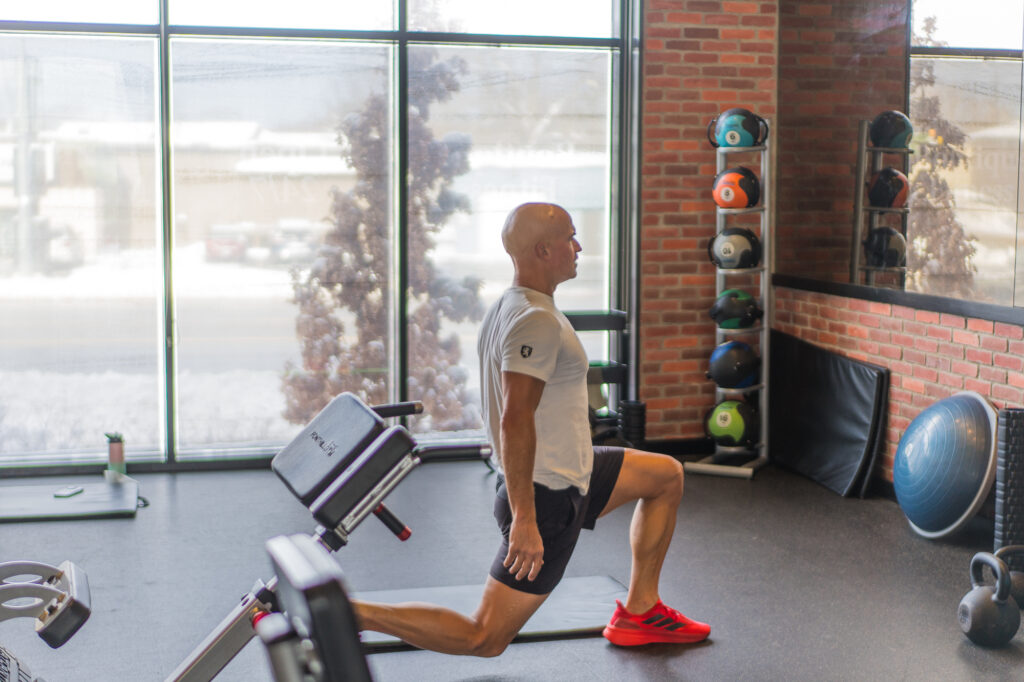
Strength training is something every triathlete should incorporate into their weekly schedule, but it can come with some challenges. Triathletes are well-versed in swimming, cycling and running — as well as other endurance activities — but when it comes to hitting the gym and lifting weights, they can feel a bit lost. The uncertainty of what to do when it comes to strength training can lead to mistakes for both rookie and experienced athletes.
To help combat those potential missteps, Slowtwitch spoke with David Winton, a triathlon coach from Scottsdale, Ariz., who works at Purple Patch Fitness. He has worked with triathletes of all levels, so he has seen all of the ways people can mess up in the gym and can pinpoint exactly how you can avoid them moving forward.
Getting the Timing and Frequency Wrong
Triathletes make multiple mistakes, Winton says, when it comes to how long and how often they should be dong strength training. He notes that is necessary to incorporate strength training all year, not just “squeezing it in” during the winter months. This may feel more difficult when you’re in the thick of the spring and summer months and gearing up for competitions, but it’s extremely important.
“I recommend athletes typically strength train two times a week during the race season,” he says. “If you add a strength project in the off-season, maybe you can up it to three or even four sessions.”
Many triathletes are guilty of not doing enough strength training sessions, whether that’s only one a week or even none. If you get busy with other things in life and need to condense your training schedule, it’s easy to convince yourself that the gym visit should be the one to cut since it’s not a swim, a bike ride or a run. You may think you don’t have time for a strength session, but Winton says that’s another spot where triathletes go wrong, noting that these workouts don’t need to be all that long.
“Our strength sessions at Purple Patch are typically 30 to 40 minutes,” he says. “That’s one of the mistakes that we do see — triathletes thinking strength requires 60 to 90 minutes.”
These shorter sessions are still long enough to help you get stronger while allowing you to fit them into your busy and packed schedule.
“It’s really about chasing consistency and integrating it into life as opposed to having these massive workouts,” Winton says.
Too Light, Too Many Reps
A big strength of triathletes is, of course, endurance, but Winton says to leave that at the door when you go to the gym. Many triathletes will go for a weight that they can lift many times, but that is not the ideal course of action.
“You’ll see people lifting lighter weights for 12 to 20 reps with minimal recovery,” he says. “They do that because they’re thinking, ‘I’m an endurance athlete, so this is how I should work out.’ But that’s actually counterproductive.”
Instead, Winton recommends lifting heavier weights for fewer reps and with more rest in between sets. This will help to “build mechanical strength and durability” that can “hold up over a long period of time,” such as during a marathon, IRONMAN or any other type of race.
“Those ar ethe benefits of getting in that heavier training,” he says.

Chasing Soreness
Winton says another way triathletes can err with strength training is by thinking they need to hit a certain level of pain or soreness with every workout in the gym.
“Sometimes athletes will have this idea that they need to chase soreness or fatigue,” he says. “But that’s not the goal. Your strength sessions should feel integrated into your training program.”
It may feel good and productive to leave the gym (or wherever you do your strength sessions) when you’re whipped and exhausted, and likewise, it may seem positive if you wake up the next day with sore and tired muscles, but that’s not necessarily beneficial to your overall plan. If you hammer a gym session that leaves your legs sore for days afterward, your swims, bikes and runs could suffer. Like Winton says, the goal is to integrate the sessions into your program, not to have them dominate your schedule.
Not Doing It
The biggest mistake you can make with strength training is to not do it at all. However, so many triathletes ignore these sessions every week. As already mentioned, they’re usually the first to go when life gets busy, but that shouldn’t be the case at all.
“Strength work is more of an afterthought for a lot of folks,” he says. “I guess when you’re signed up for a triathlon, your focus is on the swimming, biking and running aspects of it and you’re not really thinking of how strength plays into it.”
As Winton says, though, the gym is where you’re going to build the reserves that will not only keep you going in the late stages of your races, but help you do so with proper form and mechanics. Further, regular and consistent trips to the gym will help you to protect yourself against injuries. When you cut strength training from your program, you’re opening yourself up to so many more potential issues.
“The gym is an opportunity to tap into your body and see where you’re weak,” he says. “Then you can build on those areas and create balance within your muscles and body.”
To learn more about Purple Patch Fitness and their coaching services, visit their website.






Paulo and Strength Training this month? What is this 2008?
I remember the ST “experts” barking madly about strength training definitions back about 15 years ago. Apparently “strength training” wasn’t something endurance athletes should do.
It was almost as ridiculous as the, “ treadmills are overrated “ argument coming from the same people.