
The Most Common Mistakes New Cyclists Make
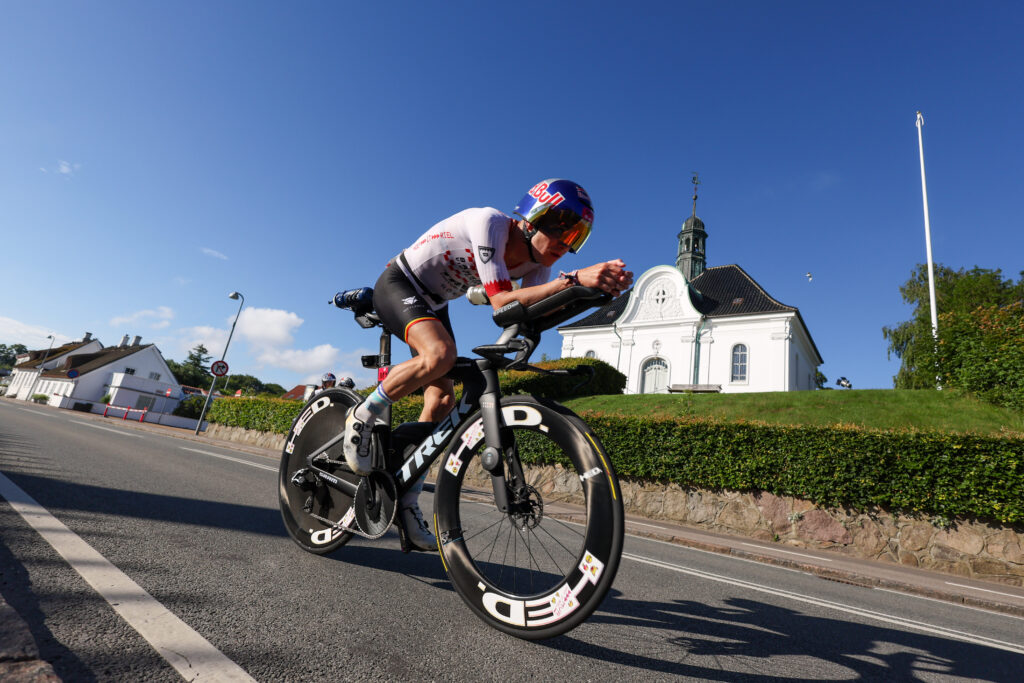
A lot of new triathletes and cyclists think that riding a bike is a pretty easy thing to do. If you’ve known how to ride a bike since childhood, the act is almost second nature, and so it’s fair to assume that getting from T1 to T2 is going to be a simple task — maybe not easy, but simple. Well, no matter how long you’ve been riding a bike, it’s a completely different game when you get into bike-specific training and racing.
Slowtwitch spoke with Jesse Moore, a former professional cyclist and triathlete and current cycling and triathlon coach who had plenty to say on the matter of rookie mistakes that he has seen so many athletes make on two wheels. If you’re new to the sport, keep these mistakes in mind so you can avoid them yourself. You’re still bound to make a few, but maybe you can at least learn from the error of other people’s ways on these notes.
Gear Mistakes
Gear is where Moore says he sees “the biggest mistakes” from new cyclists, and these can come before people even buy their first rides.
“I’ve heard countless stories from people where they walk into the shop and they end up coming out with whatever bike the shop has versus what they actually need,” he says. “They’re just new riders who are a target for a bike shop, and they can end up with something they don’t need and they can get upsold a lot, which I don’t think is great.”
To combat this, Moore says getting a bike fit is an excellent route to take before ever stepping foot in a shop to make a purchase.
“It’s worth the money to get a fit so that you’re shopping for the bike that fits you,” he says.
Another mistake he says he sees often from new riders is the need to get expensive gear. He points out that, when you’re first getting started in cycling, “the equipment is usually not the thing holding you back” from fast times.
“The learning curve is so steep when you’re first starting out that you don’t need the high-end stuff,” he says. “You don’t need it to be super lightweight, you don’t need it to be the fastest aero bike, you don’t need all of the bling features. You should look at buying a used bike.”
Your bike may be the most expensive piece of gear you need to buy, but it’s far from the only purchase you’ll be making as you get into the sport. Cycling is such a flashy endeavour in which all of your equipment is on full display at all times, and Moore says many new cyclists feel the need to “have everything in place” in order to impress their fellow riders.
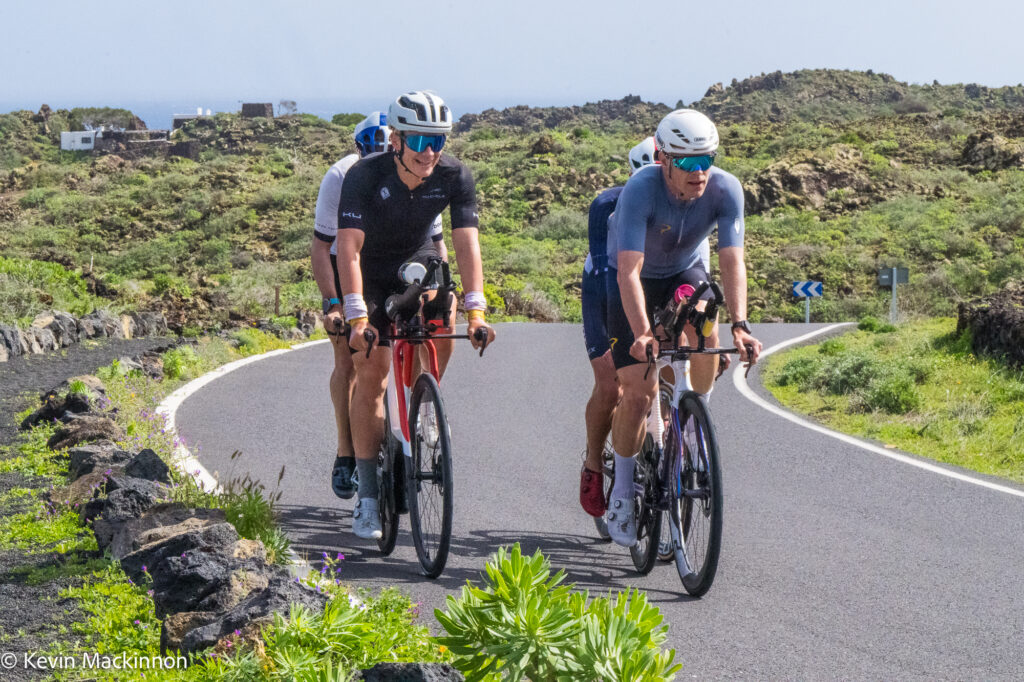
“They try to have the Garmin, the right kit, the right socks, the right bike, everything before they get started,” he says. “But I think about that saying, ‘Don’t let perfect be the enemy of good.’ Just get started however you can.”
Moore says it is completely fine to ride “in your tennis shoes on the cheap pedals that came with the bike.”
Contrary to popular (and misguided) belief, riding isn’t about how you look while doing it, it’s about your experience, your enjoyment and your fitness as you work to get stronger and faster day by day.
Ignoring Handling
Moore says he sees far too many cyclists — both new and experienced — ignoring the technical side of riding. If you’re sticking to the roads, you can certainly opt to only ride on straight, flat, simple routes for your entire career, but if you plan to race or even just ride with groups, there will be times when you need solid bike-handling skills.
Moore recommends getting out for rides with friends who are more experienced cyclists (if possible), so they can show you the ropes of the sport.
“Find people who will take the time to explain to you, you know, not to grab the front brake super hard, how to centre yourself on the bike, how to fuel and drink while riding,” he says. On solo rides, you can practice fuelling and drinking as well — taking bottles out of the cages without stopping or looking down and reaching around to grab things from your rear pockets are key skills that can easily be overlooked.
“You just need to make them second nature by putting in the time,” Moore says.
A gaffe that virtually every cyclist will make at some point in their riding career (usually early on) involves clip-in pedals. After a lifetime of riding basic flat pedals, it’s a foreign requirement to clip out in order to step off of your bike, leading to many people falling over at stop signs and traffic lights.
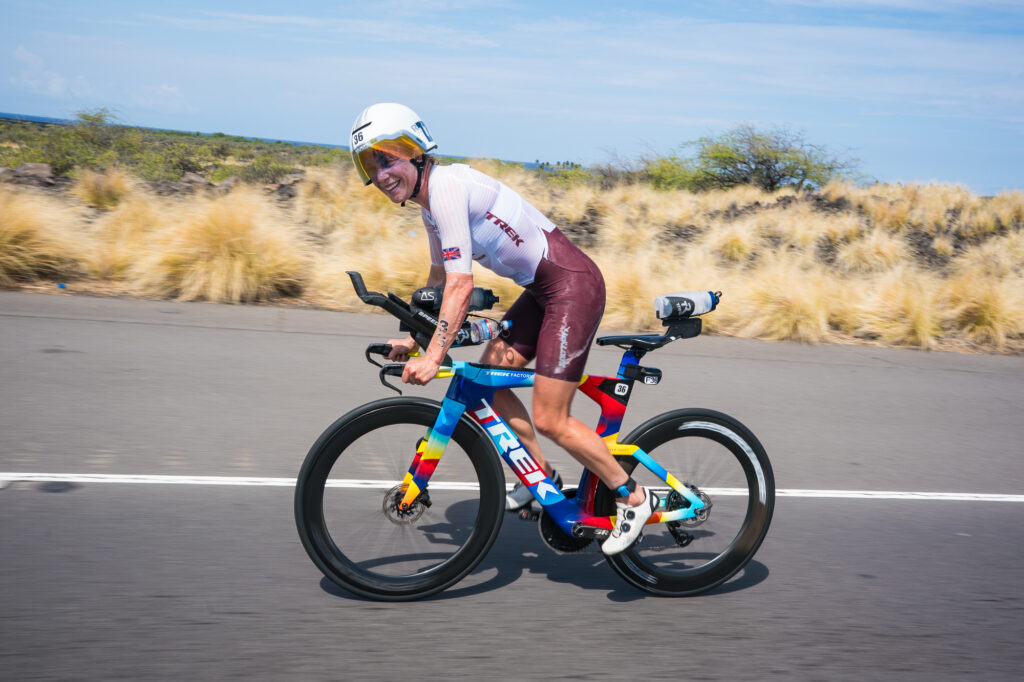
“That’s usually where people crash,” Moore says. “They don’t know what to expect and they can get really tense, which then amplifies small movements into big ones.”
The obvious way to avoid these accidents is to practice clipping in and out over and over, even when you’re not moving, but Moore says it also comes down to “a lot of planning” while on rides.
“If you’re coming to a stop sign, it’s not a bad idea to just go ahead and unclip before you get there instead of right at the stop,” he says. “Over time, unclipping will become second nature, but early on you want to give yourself time to get your foot out.”
Lack of Maintenance Skills
A lot of cyclists have no clue how to take care of their bikes. Many people can’t even change a tire. This might not be an issue for months or even years of riding, but there will inevitably come a time where you get a puncture or a popped tube (or a different mechanical issue) and you’re all alone. It’s best to be proactive with this and to take the time to learn at least the basics of bike maintenance so you can tkae care of your ride when problems arise.
“There are so many great bike basics YouTube videos that somebody could watch,” Moore says. “But there’s nothing better than hands-on clinic, which you can find at a lot of bike shops.”
Moore points to a cyclist he knows who recently travelled to Europe with his bike. He hadn’t taken care of his brake pads, which led to “metal on metal coming down these huge descents,” destroying his rotors and turning what would have been a rather simple fix into a “very expensive mistake.”
It is easy to procrastinate when it comes to learning the basics of bike maintenance, but you’ll be happy you did when you eventually need the skills to get yourself out of a mid-ride or mid-race jam.
Nutrition Woes
The final mistakes Moore mentions relate to nutrition and hydration.
“I have never worked with a new athlete who is actually eating and drinking enough on their rides,” he says. “I think that’s pretty key for enjoying the experience. There’s nothing worse than being bonked out or dehydrated.”
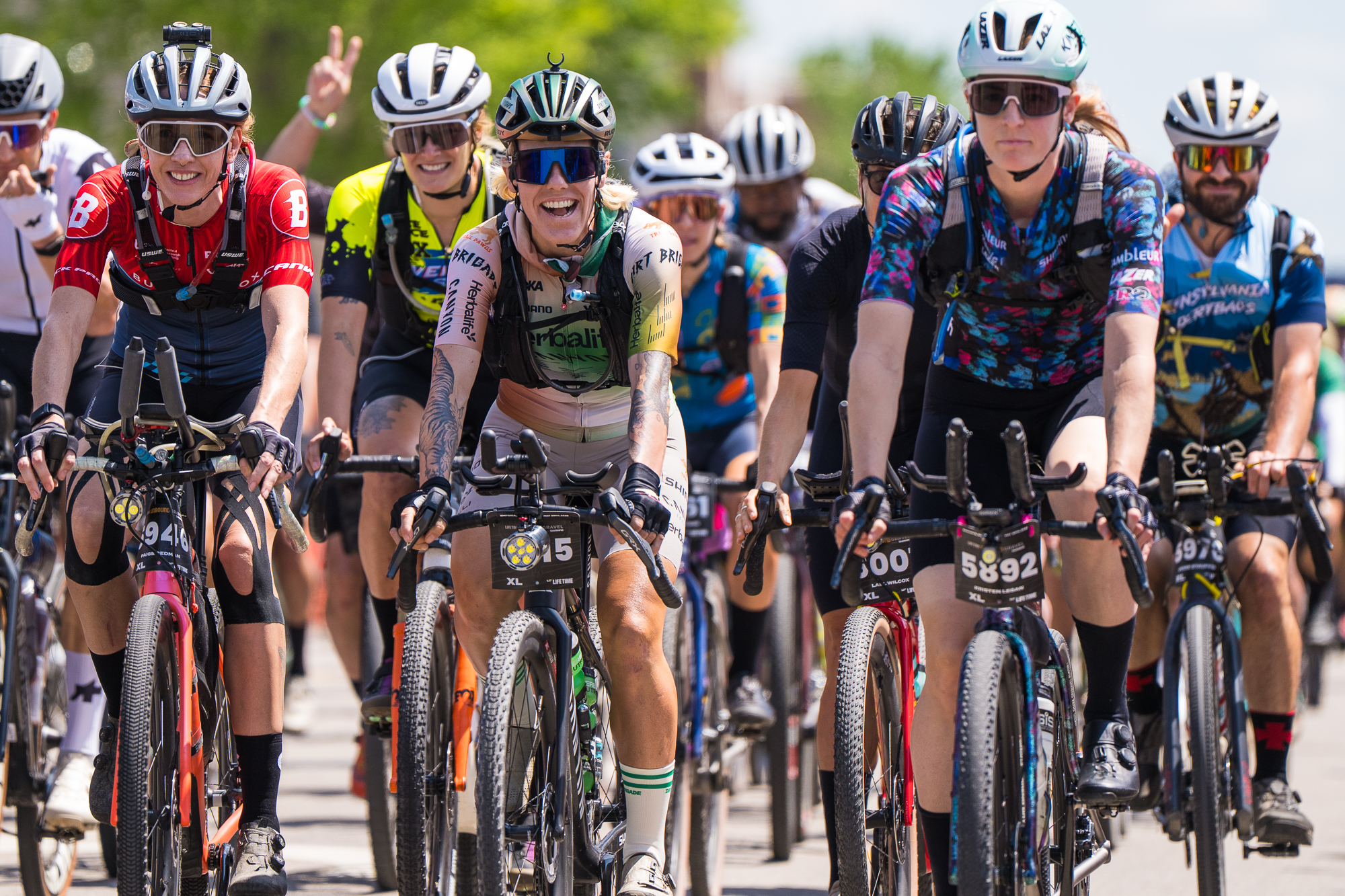
He notes that you don’t “need to eat Maurten gels at $4 a pop,” but that you definitely need to take “something to eat” on your rides.
“Real food is great,” Moore says. “It could be fig bars, a sandwich, bananas — anything. Just make sure you keep fuel going in and that you’re hydrating enough.”
When it comes to hydration, he says he follows the simple rule of “one bottle an hour.”
This can of course change if you’re riding in extremely hot temperatures, but he says it shouldn’t be any less.



To me eating and bike maintenance are the ones I see most often.
When I used to volunteer for a local charity ride I would have to remind so many people there is no dieting on the bike! People would try to do an all day ride without eating because they were trying to lose weight.