
10 Tips for Your First Road Cycling Race
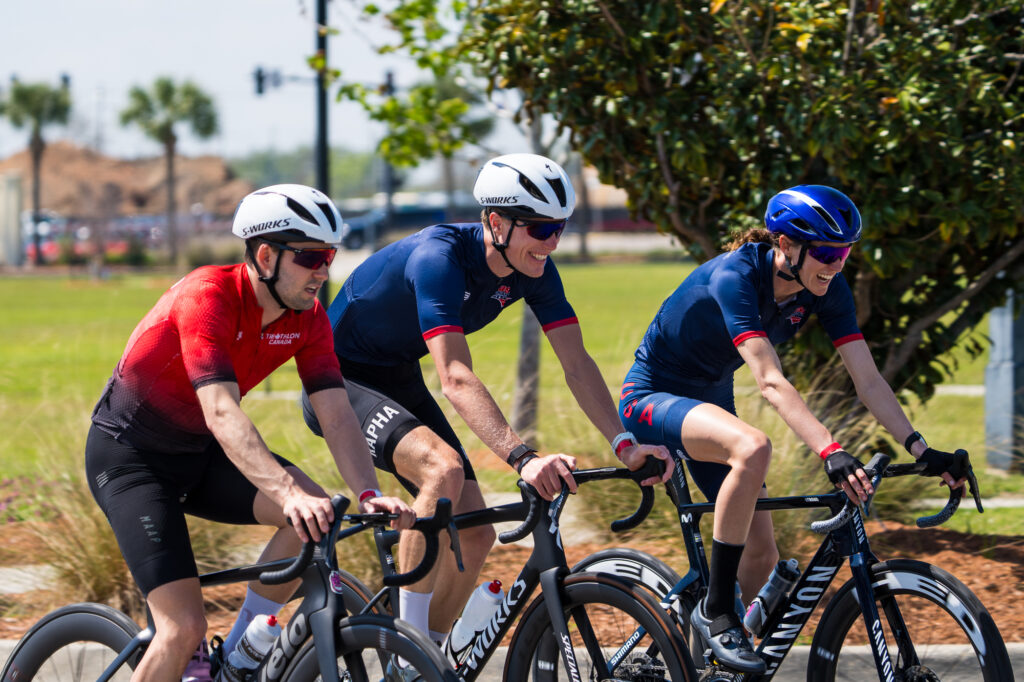
‘Tis the season to start racing bikes. If you’re ready for a new challenge, more variety, or simply want to take your cycling to the next level, road racing can be a great experience for any triathlete. It’s fast-paced, high-adrenaline, and really, really fun. But it’s a different sport with different rules, dynamics, and culture, so before you pin on your race number, here are five tips to help make your debut a good one.
Don’t Buy an Expensive Bike
We all love new bike day but don’t rush out and buy a fancy new bike or equipment before your first road race. Hopefully, as a triathlete, you’ll have almost everything you need but you will need a road bike. If you race triathlons on a road bike with extensions, you can just remove the extensions. If you have a triathlon specific bike, try to borrow (or even rent) a road bike to see if road racing is actually something you want to do again. Kit yourself out just enough to get going. You can upgrade as you need but for your first one, just get to the start line.
Know Before You Go
Course knowledge is essential. Study the event and the route. Know whether you need to be self-sufficient or if there will be on-course nutrition and mechanical support. Learn the parcours: identify the technical sections, climbs, feed zones and the start and finish areas. Ride the course beforehand if you can, even if it’s only part of it. It also never hurts to write the key points on a piece of masking tape and stick it to your stem.
Warm Up and Start in the Right Gear
The first cut is the deepest. Bike races start fast and, when you’re starting out, the first split is often the hardest and most important. Make sure you’re warmed up and your bike is in the right gear before the start. A simple 15–20-minute warm-up with a few short sprints should get your legs turning and your heart rate up. And remember, if you can’t clip in during the start panic, you can still pedal. Keep pedalling while you keep trying so you don’t immediately get left behind.
Wear Gloves
Crashes are part of bike racing, and hands take a long time to heal. Even if you don’t normally train in gloves, they’re one piece of kit you’ll be grateful for if you hit the deck.
Read the Bunch, Not Your Computer
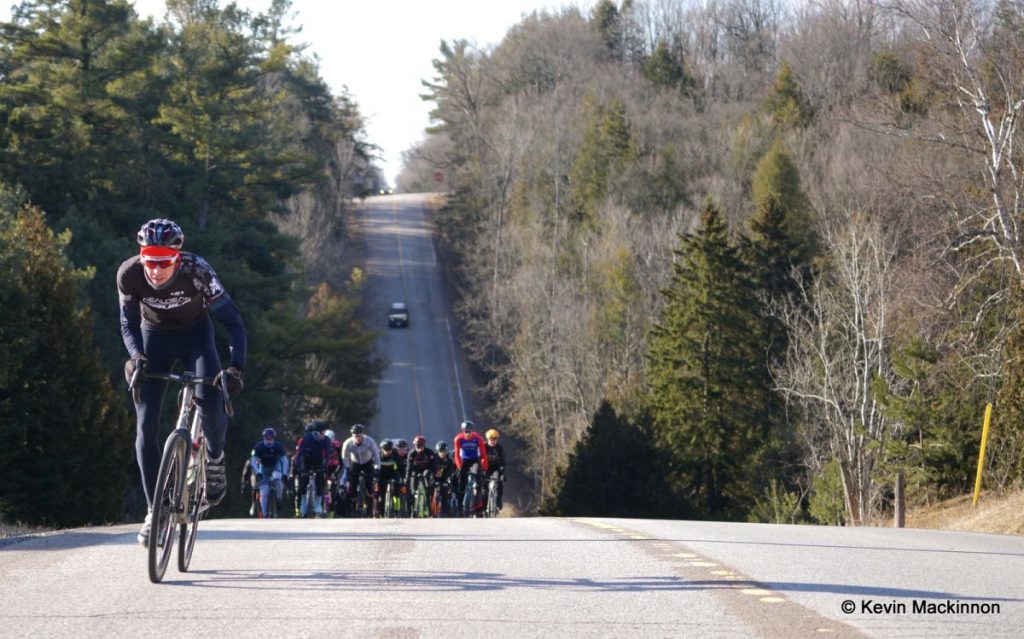
Especially if you’re coming from non-drafting triathlon, it can be second nature to constantly check your computer and stare at your power meter–don’t. When you’re racing on the road, your attention belongs on the bunch. Being aware of your position and how others are moving around you is essential for both safety and race dynamics. You need to move predictably and constantly respond to subtle movements, watch for hand signals from others, keep an eye out for road furniture or terrain changes. If you’re really on it, pay attention to the wind. One sharp turn and a cross wind can blow the bunch to pieces. Look up, not down!
Eat When You Can
In triathlon, you can usually eat whenever you want. In a road race, that’s not always the case. Eat when the pace settles, through feed zones, or before major climbs or sections where attacks are likely. If you notice everyone around you reaching for food, it’s probably a good cue to do the same.
Don’t Overlap Wheels
Riding in a peloton is a skill, and one of the biggest safety mistakes new riders make is overlapping wheels. When your front wheel overlaps the rear wheel of the rider ahead, even a small movement can take out your front wheel and cause a crash. Instead, ride directly behind another rider, fully alongside them, or with your handlebars level with their hip.
Practice sitting on a wheel before the race on a group ride or with a friend until you’re comfortable. It’s a skill that will become second nature but when you’re starting, sitting on a wheel properly, especially in a bunch, requires a great deal of concentration.
Soft Pedal to Control Your Speed in the Peloton
Triathletes train to keep constant power on the pedals but that is not the case in road racing. Maintaining your position and staying safe in the peloton requires constant micro-adjustments. However, using your brakes or freewheeling to control your speed can be too abrupt and cause an accordion effect behind you or, worse, a crash. Instead, maintain your cadence and “soft pedal” by easing up on the power to control your speed. Like driving, assess how you need to adjust by looking up through the bunch and not just at the wheel directly in front of you.
Tactics and Etiquette
Road cycling is a team sport. Depending on your event, you might be racing with teams and that means they will be working together in a tactical way. That also means there will be subtle bunch dynamics and team etiquette that might not make sense to you. You might see riders deliberately let a breakaway go, slow the pace down on the front, or attack in a seemingly random moment. It might all be over your head when you start but, unlike triathlon where it’s more about the strongest and fittest, road cycling can be heavily influenced by tactics and knowing that before can help make sense of what is happening during the race.
If You Do Crash…
Check your body first. If you’re reluctant to get up, stay down and wait for help. If you’re feeling okay and want to continue, check your bike and your helmet for damage. If you, your bike and your helmet are okay, slowly start riding again and have some sugar. You’ll be pumped full of adrenaline and if you think a sugar drop is bad, an adrenaline bonk is way worse.
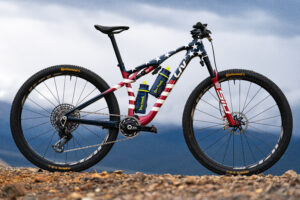



Nobody racing their first race will be needing to eat. Cat 4/5 doesn’t really race longer than 2 hours and probably will be about 90min for road. Two bottles, if you want make one a higher carb mix and the other just water and electrolytes.
Please for the love of all holy do some A then A plus group rides in the preceding months. Like, at least ten of them. Especially ones that do an active rotation. Not turns, literally rotating like a breakaway with a back gatekeeper rider.