
There’s Another One… Marius Bjerkeset and “The Norwegian Underdog Method”
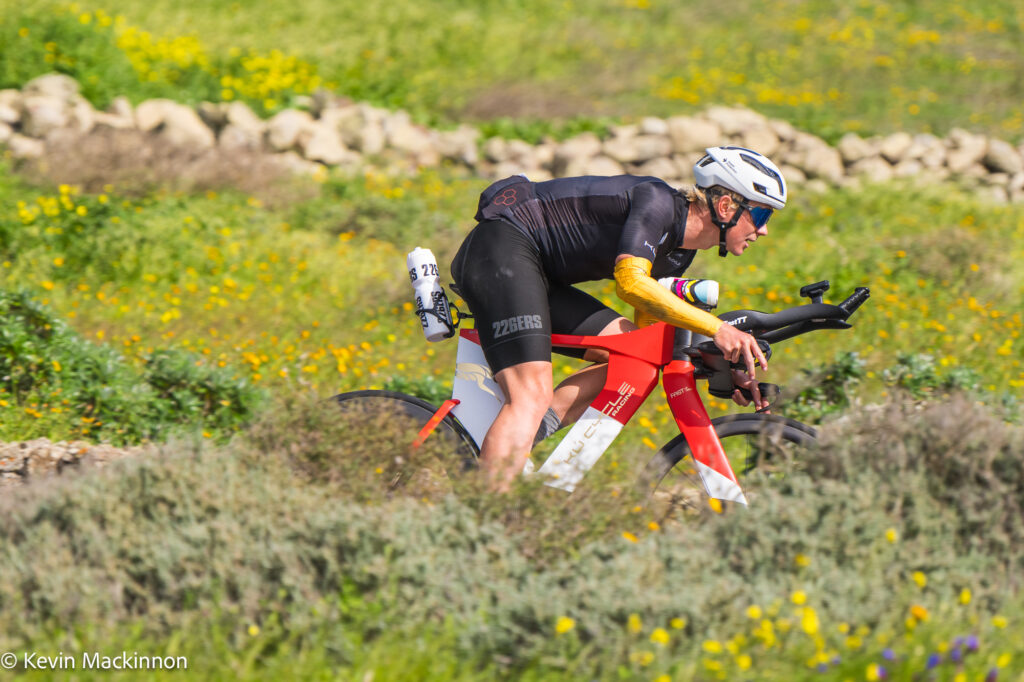
A new Norwegian has been spotted. Tall, blonde, and 28 years old, Marius Bjerkeset has been seen training with the Blummenfelt-Stornes-Iden trio on a few occasions. Most recently, he was with the extended Norwegian pack (that included Solveig Løvseth) in the lead up to IRONMAN Texas. During the race, he was having a Norwegian-level impressive bike, but it quickly ended at 30km when he had to DNF due to a knee injury he picked up at 70.3 Oceanside. Despite earning his first pro podiums last year, Bjerkset has yet to garner much attention. He was third at Challenge Gdansk and second at IRONMAN Switzerland, where he posted the fastest bike split by over 11 minutes. As a late-to-the-sport age-grouper who turned pro in 2024, Bjerkeset hasn’t had the same life-long history in the sport as his famous compatriots but, now in his first year as a full-time pro, he is going all in on The Norwegian Method—or, as he calls it, The Norwegian Underdog Method.
Slowtwitch: You’re starting your third pro season, but you raced as an amateur before. How did you get your start in triathlon and did you always intend to race professionally?
Bjerkeset: Midway through my year in the Norwegian army, seven years ago, my sister asked if I wanted to join her and sign up for a local triathlon in Norway. I had recently stopped playing football, so I thought, why not? Not many weeks later, I bought my first TT bike and became obsessed on how to optimize my training to become as good as possible. I have always been the kind of person who goes all-in when starting new “projects,” and triathlon was no different.
How did you connect with Kristian, Gustav, and Casper?
I studied and worked in the physiology lab at the University of Lillehammer. Three years ago, Kristian and Gustav traveled from Morocco to do some hemoglobin mass testing, which was the first time we met. I met Casper during a training camp in Sierra Nevada last year. I got to know them better after spending a week with them in Samarkand where I finished in last place. They felt embarrassed that a fellow Norwegian came in last, so they invited me to an altitude camp in Sierra Nevada to make sure that never happened again.
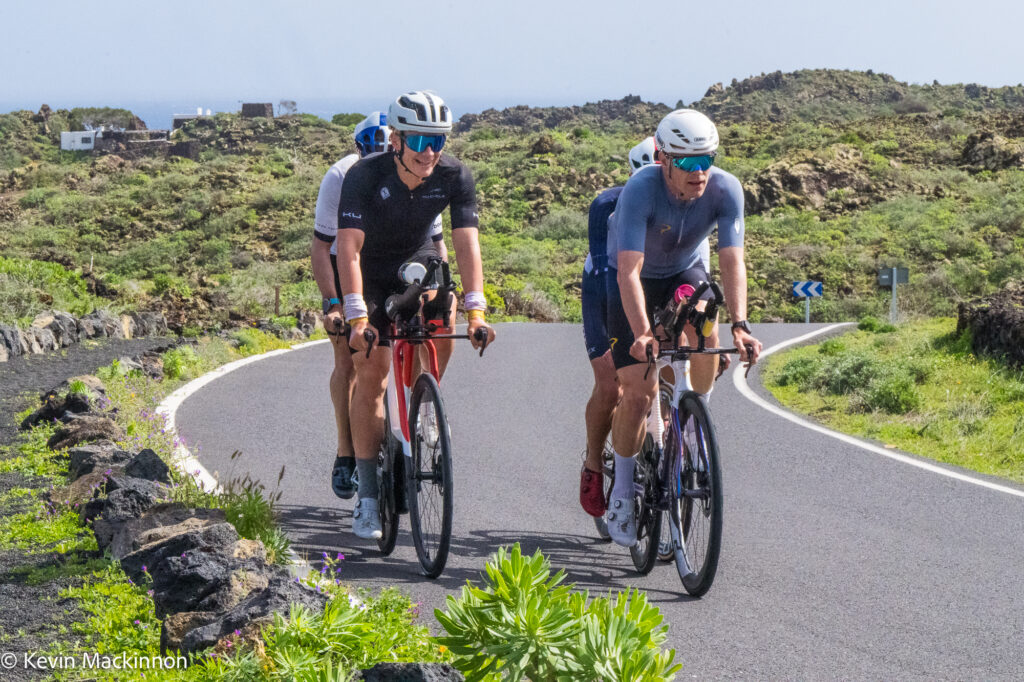
How do you fit into that group and what have you learned from being in their environment?
When you train with the best in the world, you get humbled every single day, which can be tough, but also very rewarding. Every day, you’re reminded where the peak of the sport is. It’s difficult to not push past your limit on the interval sessions because you want to keep up. But, no matter how hard I try, I get dropped anyway.
All three of them are very down-to-earth people, so fitting into the group was easy as they were very welcoming. We get along well socially, so spending a lot of time together is no problem. Having the same training philosophy and program helps as well. That said, after about three weeks, I think all of us need some time for ourselves.
What is your current coaching setup and do you subscribe to The Norwegian Method as an athlete/coach?
I coach myself, but when I am on training camp with Kristian, Gustav, and Casper, I follow their training program. I’ve come from outside of the “Norwegian triathlon coaching system” as I started late, but I share the same training philosophy and hunger when training as a lone wolf in Lillehammer.
You put your $2 garbage bag heat training hack up on social media. What other “Norwegian Underdog” methods do you have (especially when you’re trying to keep up with their lifestyle)?
Heat training is one of the main differences between my training and theirs. I’ve always believed that when you start triathlon and endurance sports at a later age, you need to be willing to do something different or extra compared to competitors who are already ahead of you. As mentioned, we share the same training philosophy, so their lifestyle isn’t that different from mine. I believe that with time, I can become just as good as them—but I still need a few more years.
Perhaps another Norwegian Underdog Method would be my eye for the most affordable carbs per dollar.
Define “The Norwegian Underdog Method.”
The Norwegian Underdog Method is the same as “The Norwegian Method,” just with a little extra heat stimulus, way more Haribos, significantly fewer followers on social media, and a tapped-out credit card.
Your strength is cycling. You earned your Kona qualification when you were second at IRONMAN Switzerland where you posted the fastest bike split by over eleven minutes. Do you have a background in cycling?
No, I don’t have a background in cycling. However, I think cycling might be the discipline that is least dependent on work-economy, which takes more time to develop. I also think riding a triathlon bike from day one has helped, as I’m not too spoiled by comfort. People are often a bit too soft when it comes to bike position. If you ride in an uncomfortable position long enough, it becomes the “norm.”
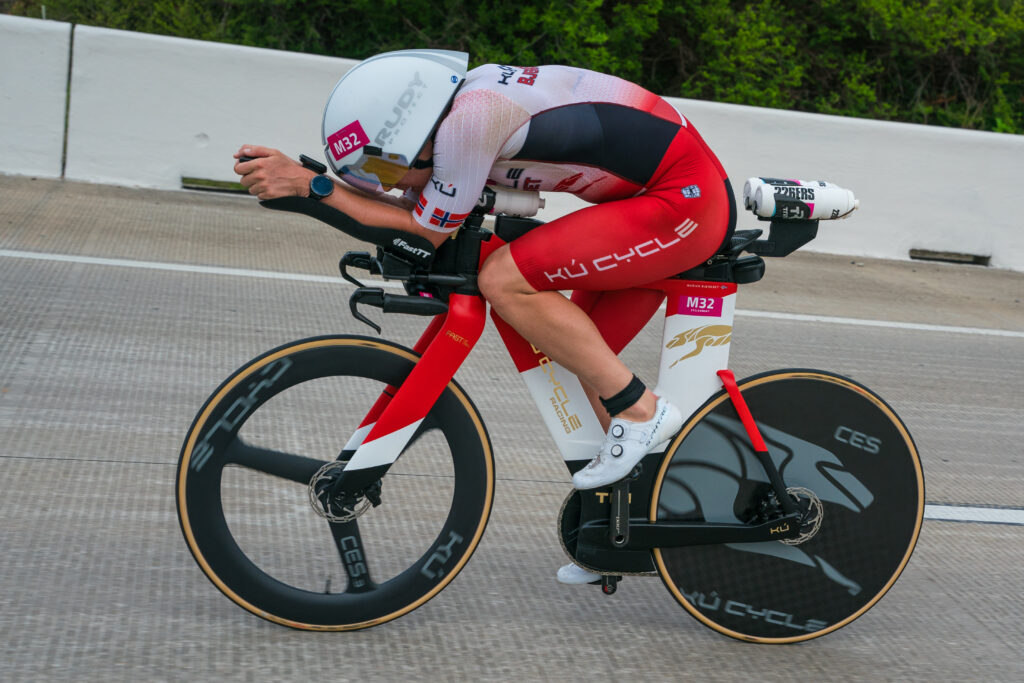
Take us through your bike set up for race days.
I’m very lucky to have signed a contract with Ku Cycle for the next two years. They have a scientific approach that helps me save as many watts as possible, mainly through thorough velodrome testing over many hours. I know we still have more to improve before the big dance in Kona.
Bike setup:
- Ku Cycle TF1
- Full SRAM Red groupset
- 60T front chainring
- GP5000TT 25mm (approximately 70 PSI, but it depends on road surface—in Texas I used 68 PSI)
- CES disc wheel and trispoke
- Fast TT aerobars
- Hydrogains bottle holder in the back
- 165mm cranks with Shimano pedals
How did you get involved with Ku? How have they developed the bike for 2026? And what have you changed this year in terms of your bike setup?
They were impossible not to notice at IRONMAN Switzerland as they had the whole crew there filming and supporting the athletes. I got interested in the environment they are building with their racing team. The team at Ku is constantly trying to improve. The newest change to the bike is a 3D-printed bento box that fits perfectly to the frame and helps reduce drag.
You were flying on the bike at IM Texas, but had to DNF because of an injury. Tell us about the race until that point, how you decided to stop, and how you’re handling your injury recovery.
Texas was a big disappointment. The lead-up went okay, but I struggled with a knee injury I picked up in Oceanside. This meant I wasn’t able to complete any interval sessions leading into the race. I knew going in that finishing would be a challenge, but after traveling all the way to the U.S., I wanted to give it a shot and hope for the best. I had a good swim and felt amazing at the start of the bike, catching Lionel and Sam’s group within the first 20 km, gaining about 90 seconds. They weren’t interested in working together, so I rode away from them straight away.
At that point, I thought it could be a remarkable day—until the knee pain came back after just 30 km. I had to soft pedal on every small downhill and only push the down phase of the pedal stroke with my right leg.
I also want to apologize to Matt Hanson for screaming “F—k” [expletive deleted] right next to him—it was a scream of pain and disbelief.
After the race, I started focusing on strength training and mobility. I had my first pain-free ride yesterday, so I’m feeling very positive and eager to start preparing for IRONMAN Austria (most likely).
Risk taker or rule follower? And how does that play out in your life?
Definitely a risk-taker—“risk it for the biscuit.” Anyone who follows me on Instagram and has seen my training recaps knows I’m not on the safe side when it comes to training stimulus.
Starting triathlon late means I need to take more risks if I want to compete with the best in the future. That leads to some niggles and small injuries here and there, but I’d rather have a 10% chance of making the podium in Kona one day than a 100% chance of finishing top thirty.
What’s a failure or challenge that turned into a big opportunity?
I guess I wasn’t [Erling] Haaland-level in football, but six years later, I see the KQ and upcoming years as a massive opportunity.
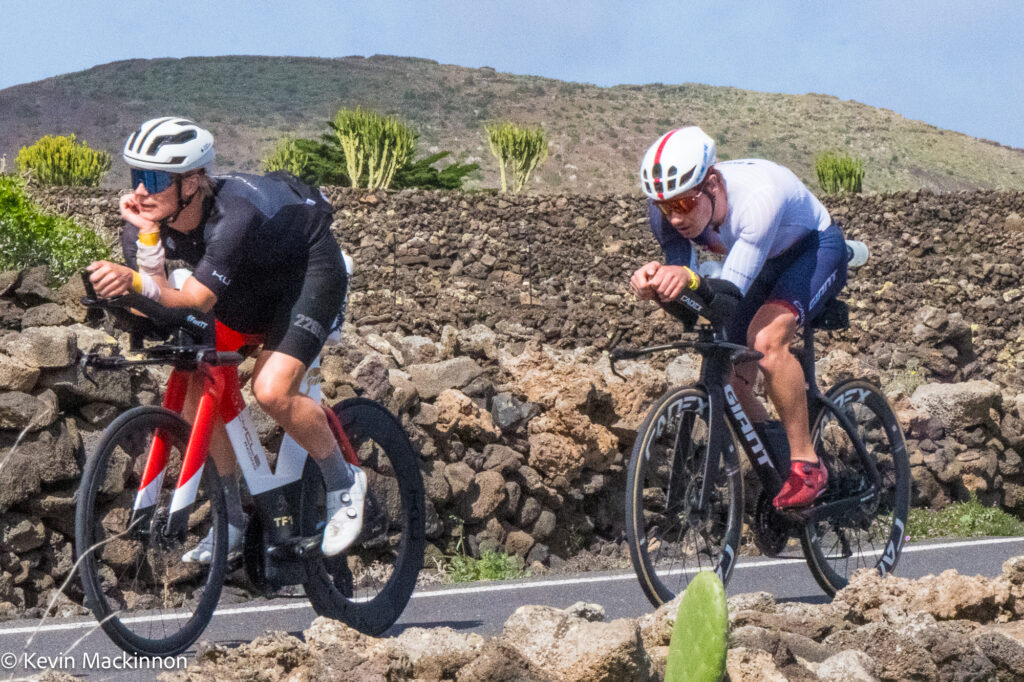
What do you wish other people knew about you and your triathlon career?
This is my first year as a full-time professional athlete. I just finished my master’s thesis in sport physiology, so I’m hoping this will give me a boost in fitness now that I have more time to train and recover.
The trip to the U.S. was not the best start to my full-time career, but I’m confident that 2026 will be a good year. Next up is IRONMAN Klagenfurt in Austria.

Start the discussion at forum.slowtwitch.com